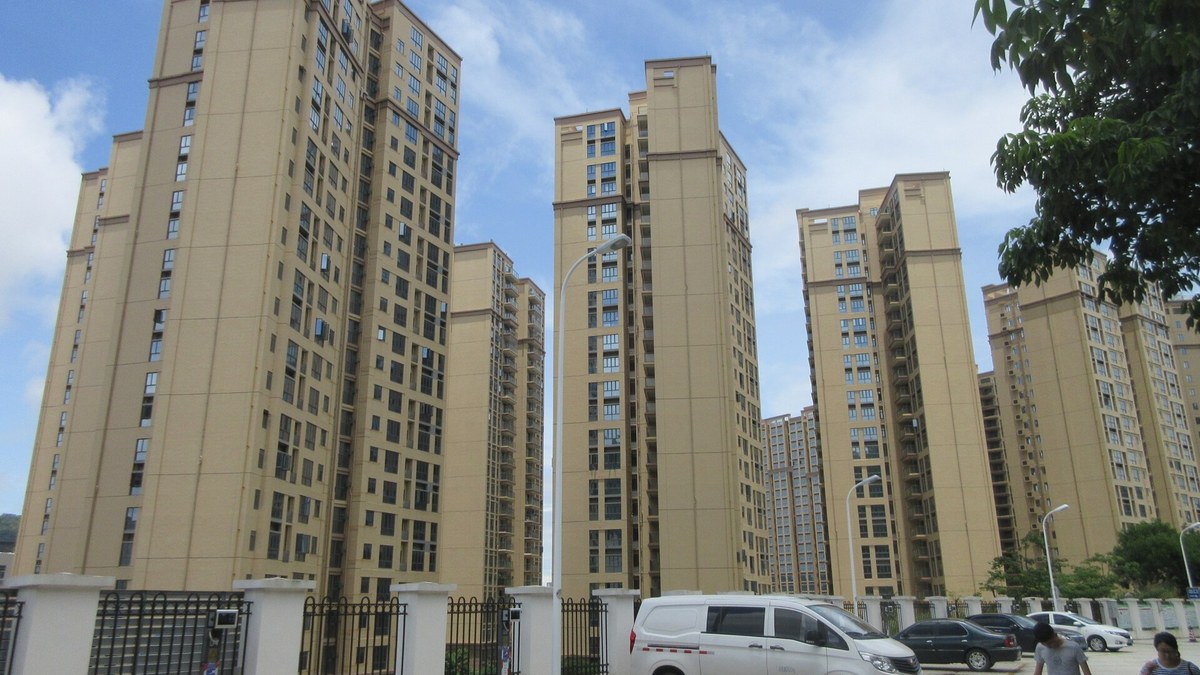
In recent years, more and more travellers from Hong Kong are heading to Shenzhen for a few days every week, and many simply rent a flat there to store luggage, live long-term, or use as a studio. Shenzhen rents are much cheaper than Hong Kong, but the rental market rules are completely different: how deposits are calculated, how utilities are charged, how much the agency fee is, and whether the lease needs to be registered — all follow the mainland's own system. This guide covers everything from choosing a flat to moving in.
1. Before You Rent: Three Types of Rental
- Traditional residential estates (most common): Large space, kitchen included, charged at residential water and electricity rates, but usually require a lease of one year or more, with a deposit typically "two months' deposit plus one month's rent".
- Long-term rental apartment brands: Uniformly renovated and managed by a company, mostly "move in with your bags", lower deposit, but a service fee of about 10% of the rent is charged.
- Short-term / serviced apartments: Rent by day or month, flexible lease terms, but mostly charged at commercial water and electricity rates, so long-term stays actually cost more.
2. Deposit and Agency Fee: Shenzhen Uses "Two Months' Deposit Plus One Month's Rent"
The Hong Kong rental convention is "two months' deposit plus one month's rent upfront", while Shenzhen's most common arrangement is "two months' deposit plus one month's rent", meaning at signing you pay two months' deposit plus the first month's rent; some apartments managed by rental companies or sub-landlords offer "one month's deposit plus one month's rent", which is less of a burden but not the mainstream. The contract must clearly state the deposit refund conditions: on moving out you must restore the flat and settle utilities, and the landlord must refund the full amount within a few working days.
On agency fees, the Shenzhen convention is that the tenant and landlord each pay half a month's rent, though some charge a full month (negotiated between 50% and 100% of the monthly rent). Using major platforms to find listings costs money but the listings are more genuine; "direct from landlord" listings on social platforms or Xiaohongshu are commission-free, but the risk of fake photos and shady agents is higher, so beginners are not advised to take the gamble.
3. Utilities: Residential or Commercial Rates? The Price Gap Can Be Shocking
This is where visitors from Hong Kong most easily get caught out. Shenzhen electricity is charged in two ways:
| Item | Residential | Commercial (apartments / urban villages) |
|---|---|---|
| Electricity | About ¥0.66/kWh (tiered maximum about ¥0.96) | About ¥1.2–1.5/kWh |
| Water | About ¥4.26/cubic metre (tiered maximum about ¥11.6) | About ¥6.5–8/cubic metre |
| Property management fee | About ¥3–8/square metre/month | Mostly included or charged separately |
Shenzhen has a long summer and air conditioning runs constantly, so commercial versus residential electricity can differ by more than 30% a month. Before signing, you must ask clearly which rate the flat uses, and ideally get it written into the lease in black and white; if an urban village charges a "flat rate" for electricity, remember to have the landlord state the price per kWh in writing.
4. Signing and Lease Registration: These Two Steps Are Essential
Before signing: ask the landlord to show the original property ownership certificate and ID, and make sure the names match; if the other party is a sub-landlord, you must see their lease with the original owner; note down the water and electricity meter readings on the spot and photograph them for your records; ask to check clearly whether there are any "outstanding historical arrears".
After signing, it is best to complete lease contract registration on the online platform of the Shenzhen Municipal Housing and Construction Bureau, which is free of charge. Having a registration record will make applying for a residence permit and opening a bank account much smoother later. In addition, under the Exit and Entry Administration Law, Hong Kong and Macao residents staying in accommodation other than hotels must report temporary accommodation registration to the local police station within 24 hours of moving in; many districts in Shenzhen already support online processing via the "Shenzhen Public Security" WeChat mini-programme.
5. Reference Rents in 8 Districts (2026 Listings)
| District | Nearest metro station | Studio / one-bedroom | Two-bedroom |
|---|---|---|---|
| Futian CBD | Shopping Park Station | ¥4,500–6,500 | ¥7,000–11,000 |
| Futian Chegongmiao area | Chegongmiao Station | ¥3,500–5,500 | ¥6,000–9,000 |
| Luohu Guomao, Dongmen | Guomao Station | ¥3,000–5,000 | ¥5,000–8,000 |
| Luohu Liantang, Buji | Liantang Checkpoint Station | ¥1,500–3,000 | ¥3,000–5,000 |
| Nanshan Houhai, Coastal City | Houhai Station | ¥4,000–7,000 | ¥7,000–12,000 |
| Nanshan Science Park, Nanyou | Hi-Tech Park Station | ¥3,500–6,000 | ¥6,000–9,500 |
| Longhua Minzhi, Hongshan | Hongshan Station | ¥2,500–4,000 | ¥4,500–7,000 |
| Bao'an Pingzhou, Xixiang | Pingzhou Station | ¥2,000–2,500 | ¥3,500–5,500 |
The above are reference ranges from publicly listed rentals on various platforms in September to October 2026; actual listings on the day prevail. If you want cheaper options, consider Liantang, Buji, and Longhua Hongshan — the commute is 20 to 30 minutes longer but rents are 20 to 30% cheaper.
6. Cheap Rent in Qianhai? Affordable Rental Housing at 60% of Market Rent
If you work in Qianhai, look into Qianhai affordable rental housing: under the "Implementation Rules for the Management of Affordable Rental Housing of the Shenzhen Qianhai Authority (Interim)", rents are set at 60% of the market reference rent for comparable quality in the same area during the same period, effective from 1 July 2026, and in principle allocated to Hong Kong-funded enterprises actually operating in Qianhai and Hong Kong residents working in Qianhai, with a single lease term not exceeding 3 years. This is one of the few housing support arrangements that explicitly names "Hong Kong residents", so it is worth watching for official allocation notices.
7. Transport at Three Checkpoints: Flat-Viewing Routes
- Luohu Checkpoint: Cross the border and you are at Luohu Station on Line 1, the smoothest route to Guomao, Dongmen, Sungang, and Liantang.
- Futian Checkpoint: Cross the border and connect to Futian Checkpoint Station on Line 4, the fastest route to Futian CBD, Chegongmiao, and Longhua Hongshan.
- Shenzhen Bay Checkpoint: Connects to Line 13, serving Nanshan Houhai, Science Park, and Coastal City — no detours when viewing Nanshan flats.
8. Practical Tips
- Pay rent and deposits by bank transfer or real-name transfer via WeChat or Alipay, keep records, and do not pay cash.
- Mainland rent cannot be paid directly from a Hong Kong bank account; you must first open a mainland bank account and link it to an e-wallet.
- View flats on weekdays during the day, check natural light, soundproofing, and water pressure, and test whether the air conditioning is cold enough (Shenzhen summers are hard to live through without it).
- Beware of "rent loans": rental companies may not induce you to borrow under the guise of instalment rent payments — walk away immediately if you are asked to sign loan documents.
- Have the lease state that "Party A may not terminate early without cause" and the compensation for breach, and try to secure a "subletting (transfer of tenancy)" clause.
FAQ
How much is the deposit for renting in Shenzhen?
The mainstream is "two months' deposit plus one month's rent", meaning two months' deposit plus one month's rent; some apartments offer "one month's deposit plus one month's rent". The deposit generally does not exceed two months' rent.
How much is the agency fee?
The Shenzhen convention is that the tenant and landlord each pay half a month's rent; some platforms charge half a month to one month, so ask clearly before signing.
How do I tell residential from commercial utility rates?
Residential estates mostly use residential water and electricity (electricity about ¥0.66/kWh); apartments and urban villages mostly use commercial water and electricity (electricity ¥1.2–1.5/kWh), so you must ask clearly before signing and have it written into the contract.
Do I need to register after renting?
Yes. Hong Kong and Macao residents staying in accommodation other than hotels must complete temporary accommodation registration at the police station within 24 hours; it is also advisable to register the lease free of charge on the Shenzhen Municipal Housing and Construction Bureau platform.
Summary: the rental process in Shenzhen is not complicated, but you must be clear on three things — the deposit, utilities, and registration. Prices and listings change with the market, so the day's information on rental platforms and the latest official regulations prevail.

💬 Comments
Loading…