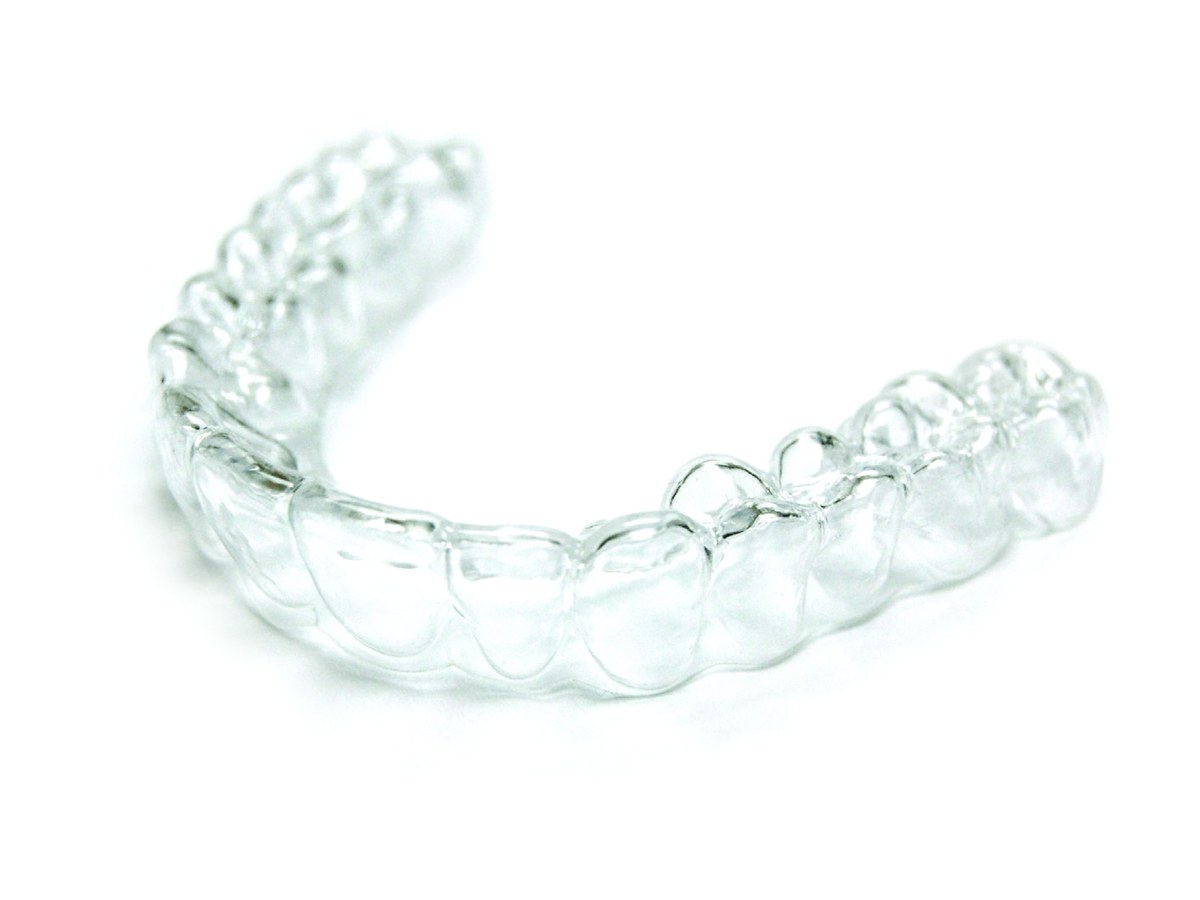
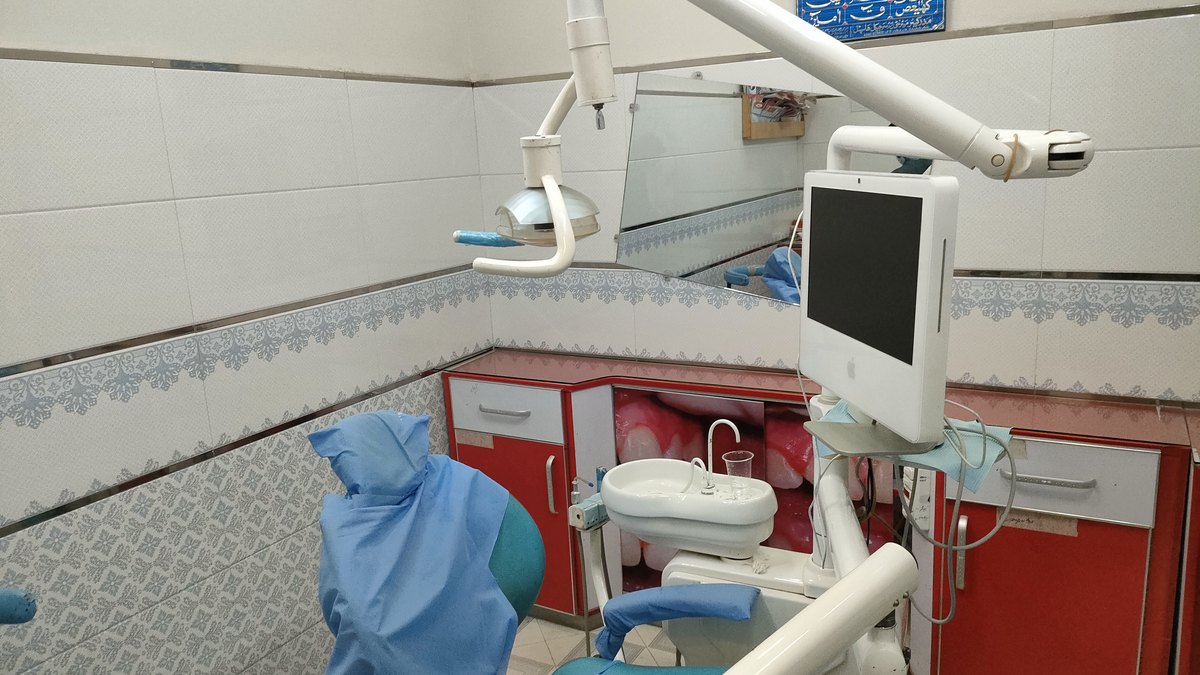
What orthodontics costs in Shenzhen in 2026 versus Hong Kong: metal, ceramic and clear aligner ranges, eight verified clinics in Luohu, Futian and Nanshan, the cross-border treatment timeline, review-visit estimates and the risks to check.
A single hub for November–December trips: checkpoint hours, weather and layering, APEC dates, events, Double 11 deals, eight tools and health checks — all linked to the full guides.
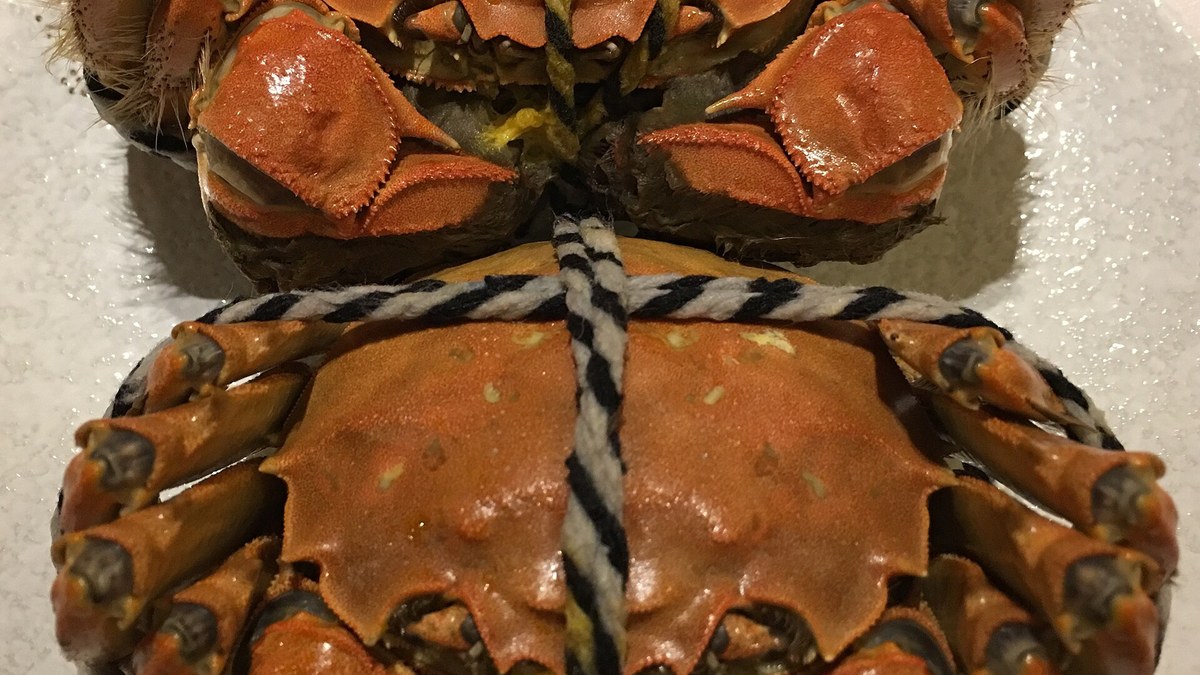
Can you bring hairy crabs across the border into Hong Kong? Yes — seafood is not on the Cap. 132AK list, so a reasonable amount for personal use is generally fine, but bringing crabs back to resell is illegal and over 1,900 were intercepted in six weeks. Customs limits, how many you can carry, penalties, the 4 banned food types, buying tips and six Shenzhen crab shops with Amap navigation.
For visitors from Hong Kong, WeChat is more than a messaging app — it's a "living room" for daily life: payments, transit codes, and Mini Programs (ordering takeaway, booking tables, checking the weather) all live inside it. This guide walks Hong Kong users through activating WeChat Pay HK, switching to the Mainland version, linking a card, and setting up the Shenzhen transit code, plus real-world scenarios at three border checkpoints.
Amap is the most accurate map app in mainland China: find metro exits, compare ride-hailing prices, get walking directions, and check live traffic. Here's how Hong Kong travellers heading to Shenzhen can use it most effectively — all in one guide.
Taxis are hard to flag in Shenzhen and buses are roundabout — ride-hailing is the most practical option. Didi registration, how to pick a car type, where to get picked up at border crossings and malls, fares and safety settings — all explained in one go.
12306 is the official China Railway ticketing app. Here is everything Hong Kong travellers need to know about registering with a Home Return Permit, verifying identity, buying tickets from Hong Kong West Kowloon to Shenzhen, and collecting tickets and passing through the gates.
Xiaohongshu is the fastest channel for Shenzhen inspiration. This article shows you how to sign up, how to search keywords, how to spot ads, and lists the Shenzhen topics Hong Kong travellers search for most (Dongmen, COCO Park, Shenzhen Bay MixC, Sea World, and more).
Trip.com is one of the most convenient platforms for booking hotels, high-speed rail tickets and attraction packages. Here's everything Hong Kong travellers need to know about paying in HKD, avoiding price hikes at check-in, and cancellation/change restrictions.
The trickiest part of driving to Shenzhen in an EV: Hong Kong cars use Type 2 and CCS2 connectors while mainland chargers use GB/T. This guide explains charger types and standards, how the official energy-plus-service-fee pricing works, which apps Hong Kong drivers use, 13 real charging points at ports and malls with metro exits, expressway service-area top-ups, and eight practical notes on adapters and warranty risk. Prices follow the operator's app.
A 2026 comparison of Shenzhen's four main ride-hailing apps — Didi, Amap, Meituan and T3 — covering pricing models, official taxi fares and surcharges, seven checkpoint pick-up points with fare estimates, payment options for Hong Kong travellers, safety settings and an FAQ.
Heading to Shenzhen to open a bank account — is your Home Return Permit and a mainland phone number all you need? Which branch to pick, how long it takes, what fees apply and what to watch out for, all explained in one article.
How do you arrange moving your whole home to Shenzhen? The fee structures, customs clearance tips and money-saving advice for three approaches — full-service cross-border moving companies, DIY moves with Huolala, and sending odds and ends via consolidation — all explained at once.
The ten apps every Hong Kong traveller should install before heading to Shenzhen: WeChat, Alipay, Amap, Meituan, Dianping, Didi, 12306, Trip.com, Taobao and Xiaohongshu. What each one is for, the key setup steps, and how they work in real situations.
What's the difference between AlipayHK and the Mainland version of Alipay? How to link cards, how to use transit codes on the Shenzhen Metro, and which places only accept Alipay — all explained in one go.
Mainlanders always check Meituan for group-buys before eating out. This guide shows Hong Kong travellers how to buy group-buy vouchers, book attraction tickets, order food delivery and book hotels, with real shops and actual prices from three border-area districts.
In the mainland, many apps only work fully once you've completed real-name verification — buying high-speed rail tickets, activating payments, using transit QR codes, and hospital registration all require identity verification. For Hong Kong residents, the most commonly used document is the Home Return Permit. This article walks you through the verification process for WeChat, Alipay, and Amap step by step, plus how to solve the 5 most common sticking points.
First time heading to Shenzhen? There's always a pile of questions: Do I need a visa? What do I fill in at the border? Should I bring cash? Will language be a problem? What time do the checkpoints close? This article rounds up the most common questions Hong Kong travellers have about going to Shenzhen, answering them one by one across five categories — documents, money, language, internet and transport — with practical links and Amap navigation for the checkpoints.
More and more Hong Kong families are considering sending their children to school in Shenzhen. Admissions for the 2026–2027 school year are now open at Shenzhen Hong Kong Pui Kiu College Longhua Xinyi School (Pui Kiu Longhua Xinyi), which offers a Hong Kong curriculum (DSE), a mainland curriculum, and an international integrated curriculum (IGCSE/A-Level). Tuition is charged per semester: ¥64,500 for primary, ¥67,000 for junior secondary, and ¥74,500 for senior secondary, plus a boarding fee of ¥7,200 per semester. This article covers the curricula, fees, admission requirements, application timeline, and other options for Hong Kong children's schools in Shenzhen.
Shenzhen dental implants in 2026 have entered the "bulk-buy era": officially announced total cost for a single conventional implant has dropped from about ¥15,000 to about ¥7,000; public medical service full-process regulated price is capped at ¥5,184 for tier-3 hospitals, and bulk-buy selected implants average around ¥900+. Includes real institutions in Luohu/Futian/Nanshan border areas (addresses, metro exits, phone numbers), market private clinic all-in reference prices, the official Elderly Health Care Voucher list, and booking procedures.
Changing HKD to RMB in Shenzhen: money changer, bank counter or ATM? We compare rates and fees using official figures, list nine verified counters in Luohu, Futian and Nanshan (address, metro exit, fees), and explain Hong Kong debit card charges, daily limits and e-wallet rates.
Shenzhen in November and December is mild but easy to misjudge: official figures put November at 21.8C and December at a 17.4C climate normal. This guide covers the day-night gap, mall and metro heating, three outfit scenarios for shopping, dinner and hiking, a carry-along checklist, and nine real places to buy clothes in Luohu, Futian and Nanshan.
Stuck in Shenzhen at 2am and feeling unwell? This guide covers immediate care only: seven real hospital emergency departments across Luohu, Futian and Nanshan with addresses, metro exits and 24-hour cover, the official emergency fee schedule (RMB 45 per consultation, plus 15 per cent for children), how Home Return Permit registration and mobile payment work, the scope of elderly health vouchers, and the fact that only Huanggang checkpoint stays open around the clock.
Scalp therapy is one of the most popular wellness treatments for travellers heading to Shenzhen: a hair wash plus scalp massage plus shoulder and neck relaxation, starting from as little as ¥79 — a fraction of what you'd pay in Hong Kong. This guide rounds up 8 genuine shops in Luohu, Futian and Nanshan with addresses and metro directions, plus price references and how to book.
Practical guide for travellers heading to Shenzhen for eye care: Shenzhen C-Mer Dennis Lam Eye Hospital (福田, founded by a Hong Kong doctor), Shenzhen Eye Hospital (public specialist hospital), and Shenzhen Aier Eye Hospital (national chain) — eye exams, glasses fitting, cataract and laser vision correction procedures and what to watch out for.
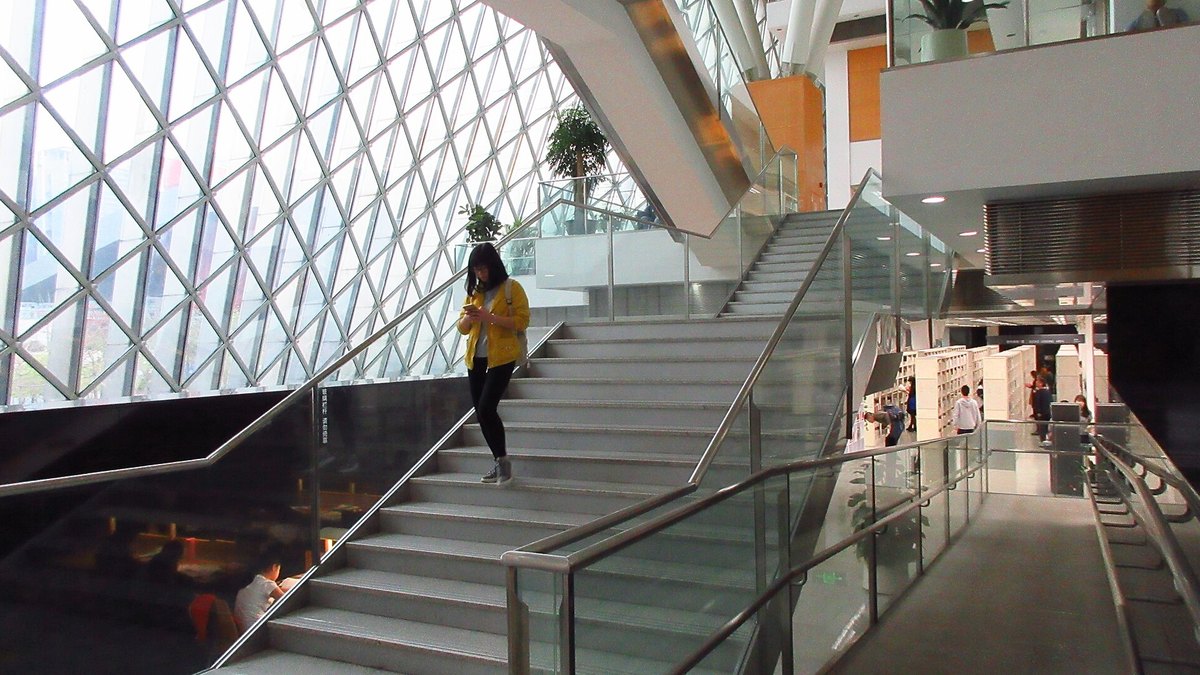
Shenzhen has a batch of free, no-booking-required libraries and studies — perfect for rainy days or when you need a quiet spot to study. This guide covers 6 of them: Luohu Library New Building (21 floors), Baixing Shufang, Nanshan Shufang Hongyi Ge, Shenzhen Library North Building, Bay Area Eye, and Bao'an District Library, with opening hours and metro exits.
Shenzhen's medical aesthetics treatments are typically 30–50% cheaper than in Hong Kong, but the biggest pitfalls are clinic credentials and where the injectables come from. This guide breaks down three steps — check the clinic, vet the doctor, verify the product — plus 6 compliant clinics in Luohu, Futian and Nanshan, reference prices for popular treatments, cross-border transport options, and three common traps.
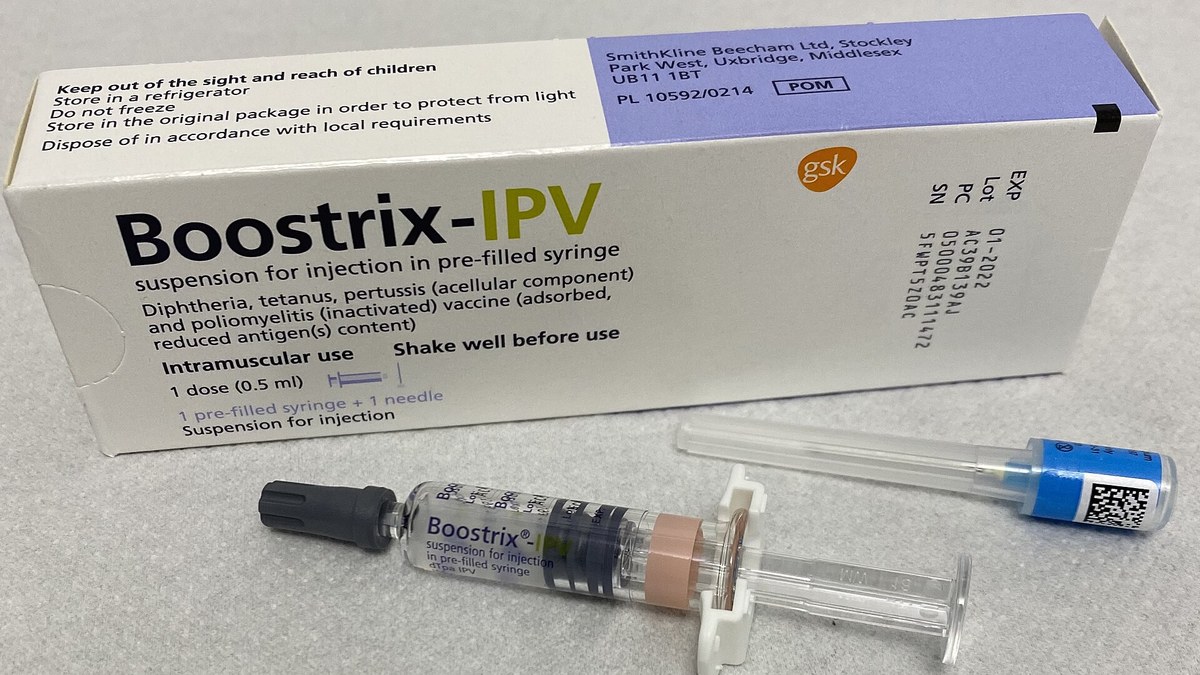
After autumn begins, community health centres across Shenzhen's districts gradually start administering flu vaccines, and the 9-valent HPV vaccine can now also be booked through the "Shenzhen CDC" official WeChat account. This article rounds up the ways to get vaccinated in Shenzhen, the official pricing for flu shots and the 9-valent HPV vaccine (official pricing for the 9-valent is about ¥1,331 per dose, 3 doses in total, and social security cards cannot be used), how to make a booking, the identity restrictions travellers should note, and how to get from three checkpoints to vaccination points.
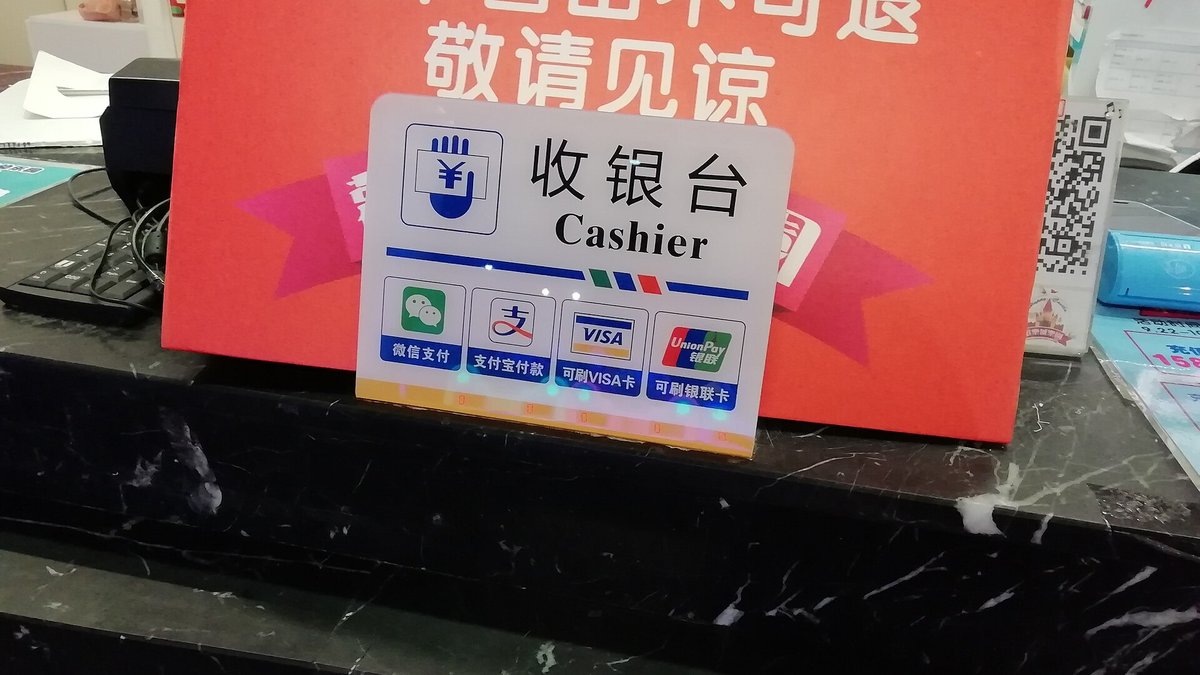
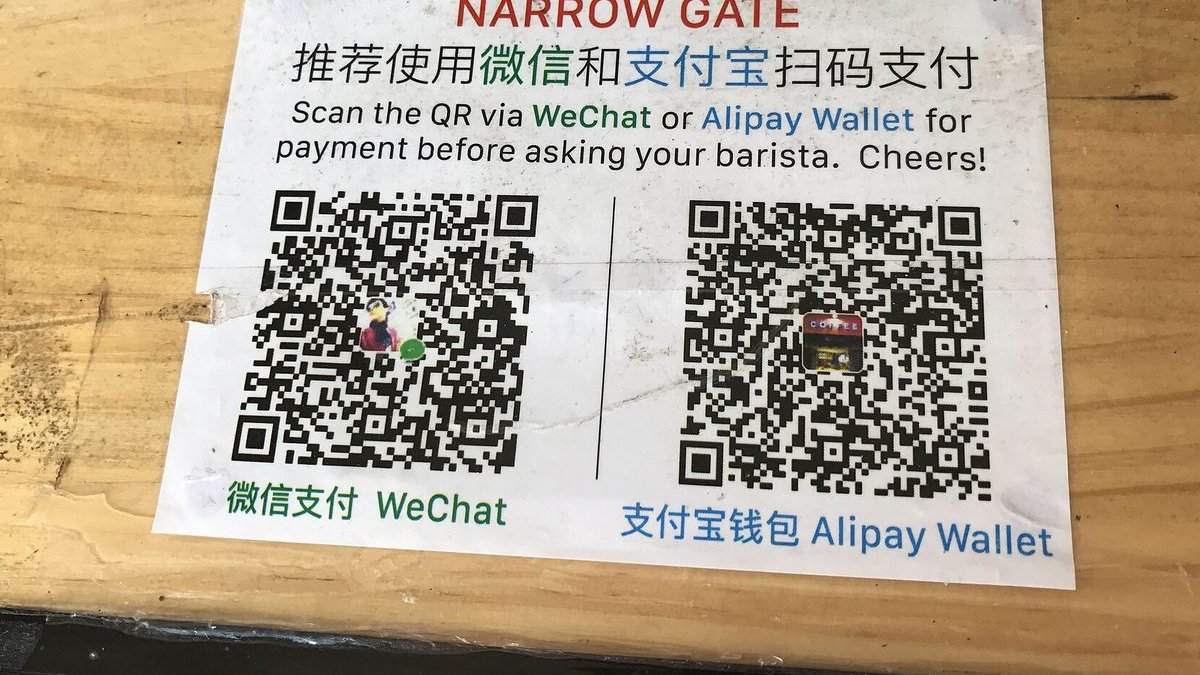
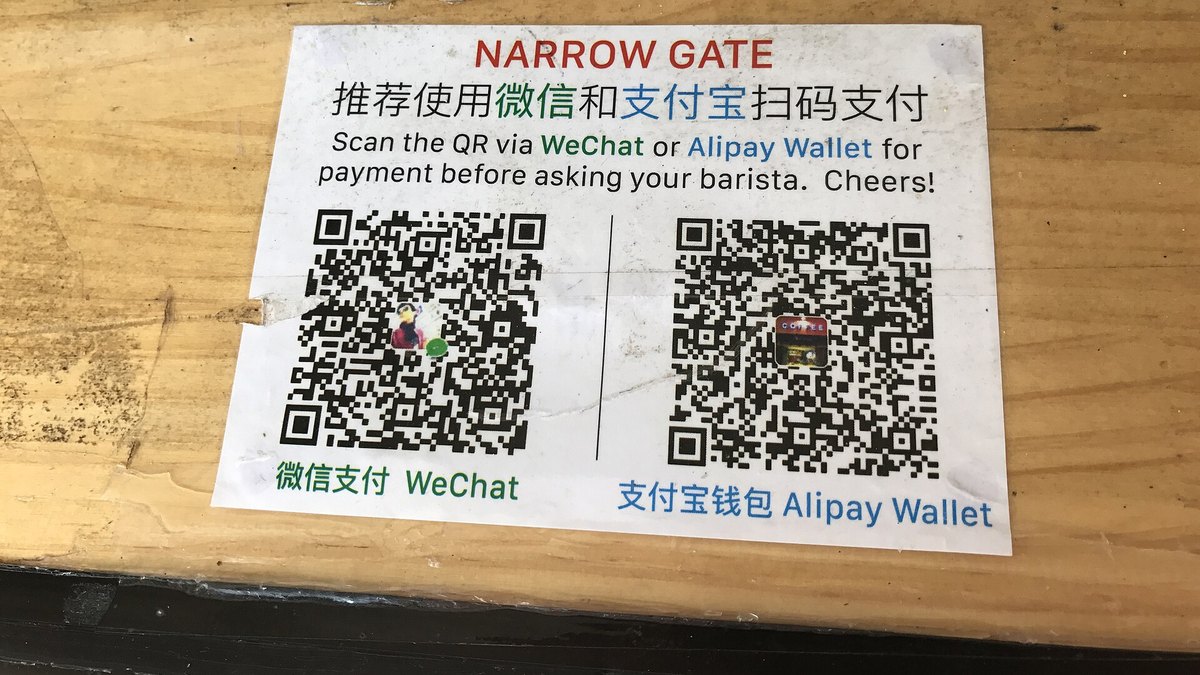
Mainland China is essentially a cashless society — restaurants, supermarkets, ride-hailing, convenience stores and even roadside stalls all take payment by scanning a QR code. This article explains the setup steps for WeChat Pay HK and AlipayHK, what to watch out for when linking a Hong Kong card, the reality of using cash, and practical scenarios across three areas: Luohu, Futian and Shenzhen Bay.
In October 2026, dining deals are still up for grabs across several districts in Shenzhen: the Nanshan inbound visitor voucher (via WeChat Hong Kong Wallet, 17 July to 15 October, up to HK$1,000 (≈¥856) off with a HK$600 spend), the Futian Friday Taobao Flash Sale "Futian Consumption Voucher" (July–December, from ¥5 off ¥50), Longhua's China Merchants Bank / Meituan vouchers (from ¥5 off ¥50), Dapeng's daily 10:00 Douyin vouchers, the Qianhai mega voucher (tap-to-claim at 6 locations), and the Shenshan UnionPay QuickPass voucher. This article rounds up how to claim them in each district, cross-border checkpoint transport, and usage restrictions.
Holders of a full Hong Kong driving licence can convert it into a mainland China licence for small cars without sitting a written or road test. This article sets out the requirements, the documents you need, the official application channels (the Traffic Management 12123 App), the fees and the validity period, and notes that the figures and detailed rules are subject to the latest official announcements.
The 2026 Shenzhen Marathon is set to start at 7:00 am on December 6, beginning at Shenzhen Civic Center and finishing at Bao'an District Coastal Plaza. The full course covers 42.195 km with a field of 30,000 runners. Pre-registration runs from 14:00 on September 20 to 17:00 on September 28, with an entry fee of ¥200, and the ballot results will be announced on October 16. This article rounds up the entry requirements, the route, race pack collection arrangements and cross-border transport options.
To open a mainland bank account, link WeChat Pay or Alipay, or buy high-speed rail tickets, you need a real-name registered mainland phone number. Based on official information from China Mobile, China Unicom, and China Telecom, this article covers the three ways to get a SIM card, the documents required for real-name registration, the locations of shops at the three major border checkpoints, and money-saving tips for maintaining your number.
If you're living in Shenzhen long-term, you need a mainland number and home broadband. Here's a clear breakdown of the three major carriers' monthly fee structures, what to bring for real-name registration, where to sign up near the border, and how broadband installation actually works.
Want to bring your cat or dog from Hong Kong to Shenzhen? You'll need a microchip, an animal health certificate, and AFCD endorsement. This guide covers the official requirements, border crossing procedures, and Shenzhen vet and pet service fees.
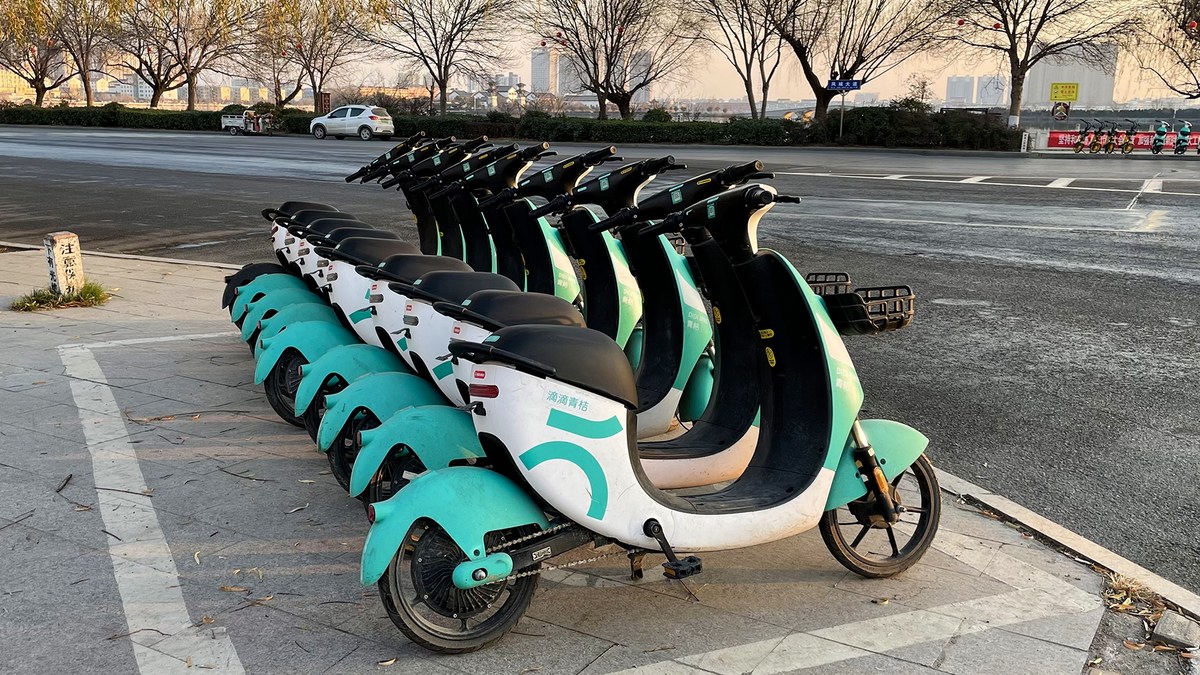
Shenzhen's traffic police announced on 20 September that new e-bike restricted-zone rules take effect on 1 October 2026, keeping the three-tier system, adding 10 new Tier 2 restricted roads, and lifting the Tier 1 restriction on Huaqiangbei Pedestrian Street. Here's what Hong Kong travellers need to know — plus practical transport alternatives from three border crossings.
The Shenzhen Yinian Card (頤年卡) is a financial IC card coordinated by the Shenzhen Civil Affairs Bureau and issued by 5 banks. With the card, holders can ride city buses and the metro (standard carriages only) for free, enter all city parks, government-invested tourist attractions, and public cultural venues (museums, art galleries, libraries, etc.) for free, and enjoy priority hospital windows and other benefits. This article is based on the Shenzhen Civil Affairs Bureau's official Q&A (2025-04-30) and covers the full benefits list, eligibility for Hong Kong and Macau elderly residents, three application methods, and cross-border transport tips.
In recent years, going to Shenzhen to see a Chinese medicine doctor has become a new trend among Hong Kong residents: Shenzhen's Grade 3A TCM hospitals have detailed specialist departments and a wide selection of herbs, and acupuncture and tuina generally cost less than in Hong Kong. This article compiles the addresses, registration methods and pricing concepts of real institutions such as Shenzhen Hospital of Traditional Chinese Medicine (Futian Campus), Shenzhen Hospital of Guangzhou University of Chinese Medicine, and the Heshengtang TCM clinic chain, along with routes from the Luohu, Futian and Shenzhen Bay checkpoints.
When it rains during National Day, or if you simply want to escape the crowds at shopping malls, Shenzhen's public libraries are a free and comfortable option: Shenzhen Library (Futian), Shenzhen Library North Branch (Longhua), Nanshan Library, and Luohu District Library all offer free admission, with additional spots like Nanshu Fang and urban street self-service libraries. This article rounds up addresses, opening hours, transport from the border checkpoints, and library card registration details.
The Residence Permit for Hong Kong, Macao and Taiwan Residents is the master key for travellers heading to Shenzhen: opening bank accounts, getting a phone SIM card, and paying into social insurance all depend on it. We cover the application locations' addresses, the documents you need to bring, and how to sign up for social insurance, all in one go.
Taobao is far cheaper than Hong Kong for household goods, pet food, and phone accessories. Should you use consolidation shipping to Hong Kong or pick up in Shenzhen? How should you pay? How do you use the pickup points at the border checkpoints? This one article explains it all clearly.
Mainlanders always check Dianping before eating. This guide shows Hong Kong readers how to read reviews accurately, how to queue and get a ticket at popular restaurants, and how to buy group-buy vouchers, with real examples from shops in Luohu, Futian and Nanshan.
Heading to Shenzhen with elderly parents or a baby takes double the preparation! This guide pulls together everything you need to know: immigration arrangements, transport choices, food precautions and medical planning, so the whole family can travel with peace of mind.
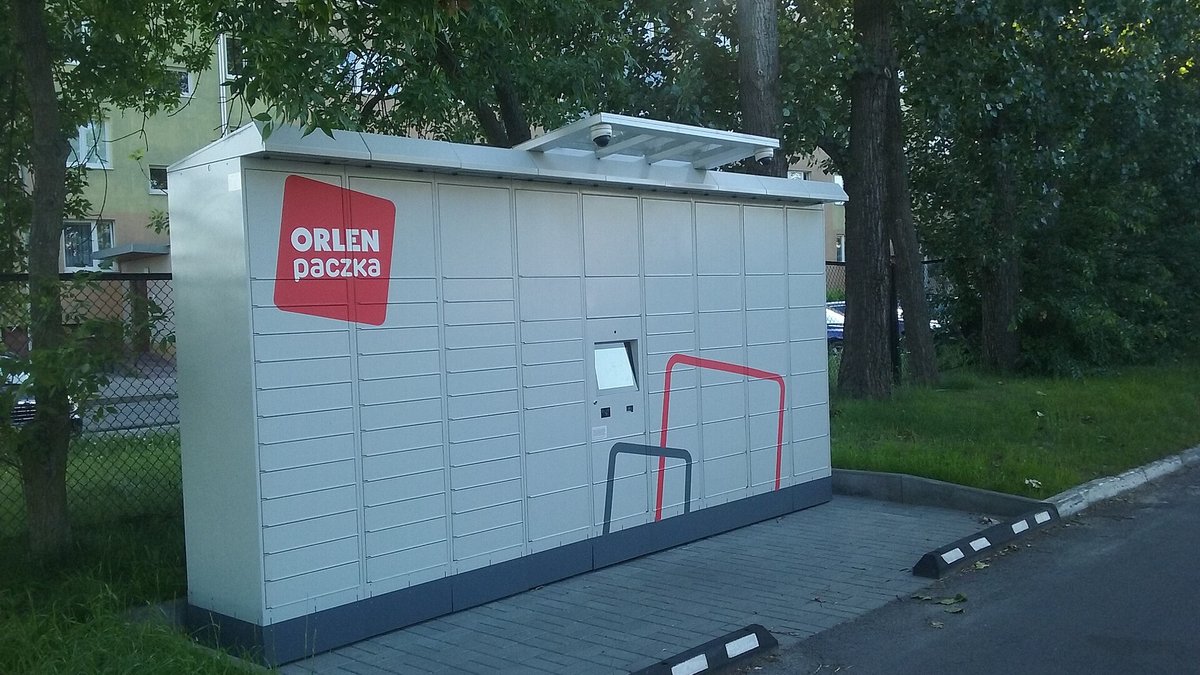
Shop online and have your parcels delivered to a Shenzhen pickup point — grab them on your next trip to Shenzhen! This guide shows you how to use Cainiao stations and Hive smart lockers, plus the consolidation shipping process to Hong Kong. Mainland online shopping made easy.
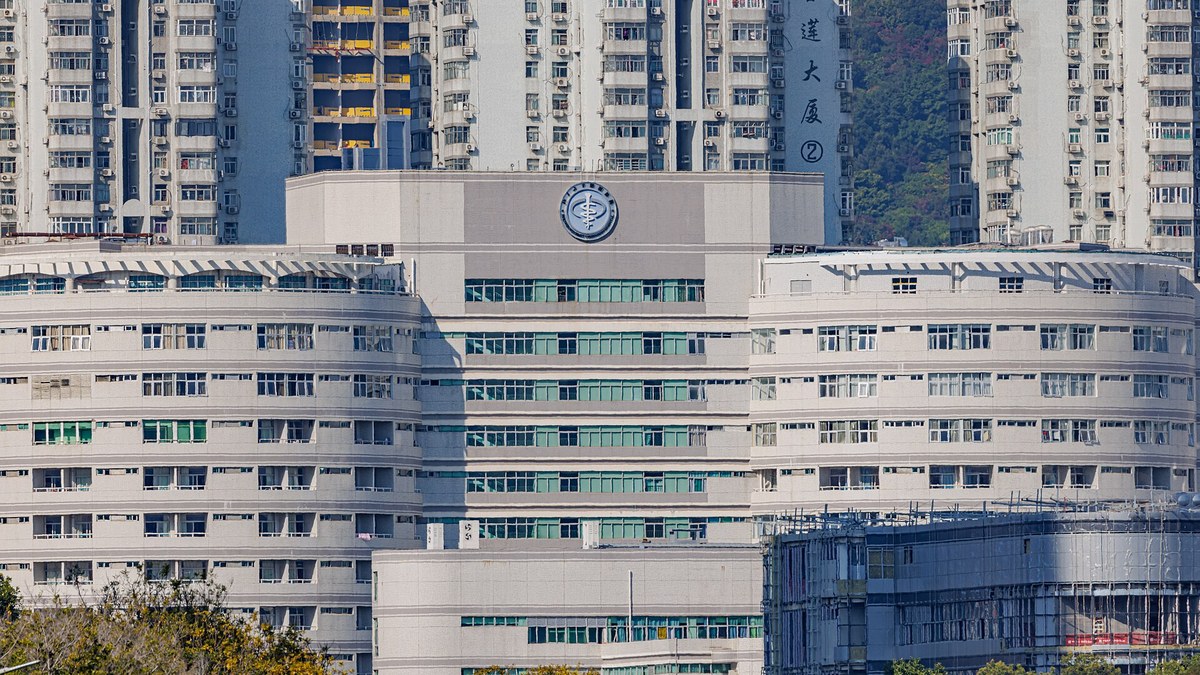
Shenzhen offers plenty of health check packages at prices far friendlier than Hong Kong, and some hospitals provide Cantonese service and bilingual Chinese-English reports. This article compares packages at HKU-SZH, Luohu District People's Hospital, Ruici Health Check and United Family Hospital, and shows you how to choose, how to book, and what to prepare before your check-up.
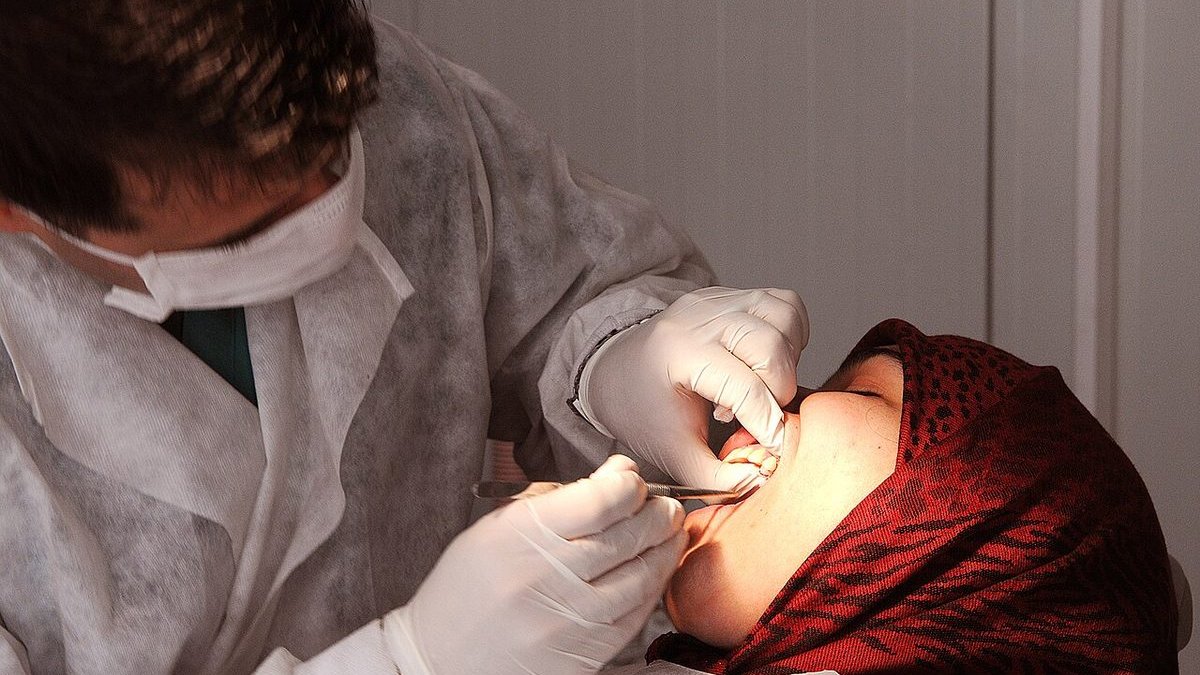
More and more Hong Kong residents are heading to Shenzhen for dental care. This article covers reference price ranges, the official list of Shenzhen dental institutions under the Department of Health's Elderly Health Care Voucher pilot scheme, the locations of stomatology departments at top public hospitals, and what to watch out for when choosing a clinic.
AlipayHK and Mainland Alipay are two separate wallets that don't interconnect. When heading to Shenzhen, use AlipayHK: paying with your balance or bank account incurs 0 fees; credit card payments are fee-free for the first HK$3,000 each month, then 2.5% after that. Includes Alipay+ coverage, cross-border transit QR codes, top-up methods and common pitfalls.
Shenzhen plays out very differently across the four seasons: spring is humid and foggy, best for flower-viewing and hiking; summer brings high heat and typhoons, so malls and the waterfront take priority; autumn is the year's most comfortable golden window for the outdoors; winter is dry and cold, making hotpot and indoor venues the practical choice. This article lists 12 verified places by season, complete with metro line, station and exit, opening hours and fees, plus a clothing reference table and 4 peak seasons to avoid.
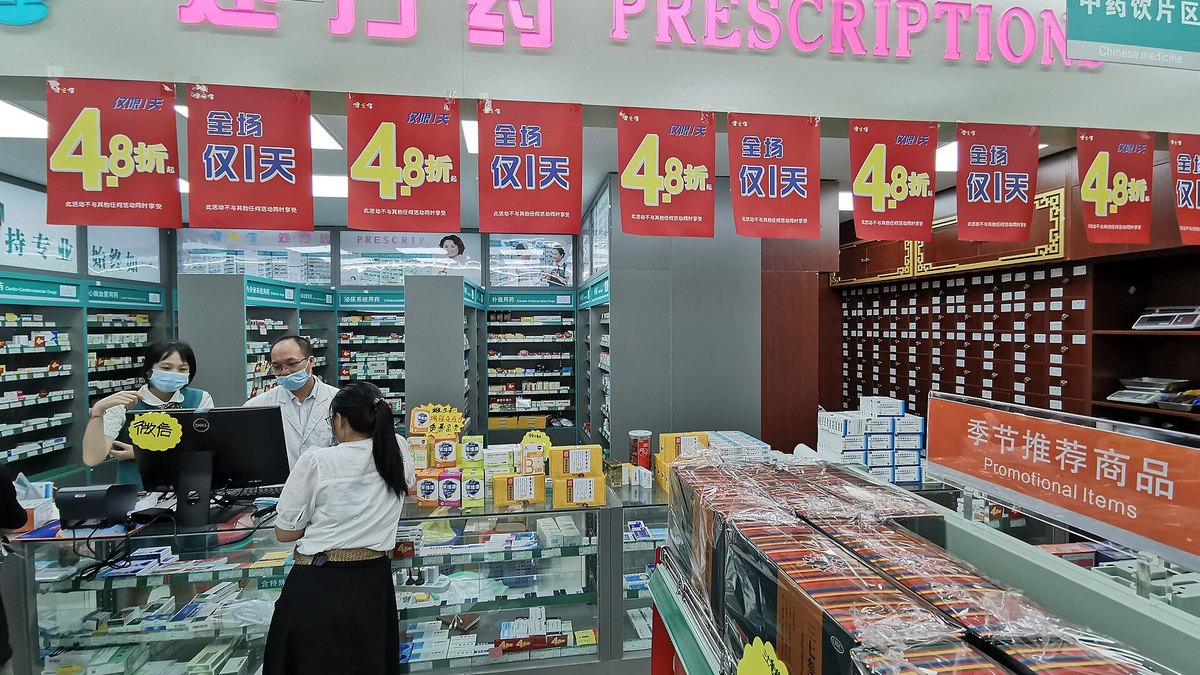
Three main ways travellers buy medicine when heading to Shenzhen: chain pharmacies (Haiwang Xingchen, Laobaixing, Dashenlin, Guoda, Asia Pharmacy), medicine counters in shopping malls and supermarkets, and Meituan's 24-hour medicine delivery. Includes the nearest medicine-buying spots to three checkpoints, a rough price guide for commonly bought items, and the official rules from Hong Kong Customs and the Department of Health on bringing medicine into Hong Kong.
Every way from Hong Kong to Shenzhen in 2026 — East Rail to Lo Wu or Lok Ma Chau, the 14-minute high-speed rail from West Kowloon, TurboJET ferries from Sheung Wan to Shekou, cross-border coaches and the Shenzhen Bay bridge — with times, fares and which to pick.
Passport in hand and wondering whether you can just walk into Shenzhen? Most Western, UK, Canadian, Australian, Japanese and Korean passport holders now get 30 days visa-free; US, Mexican and a few other nationalities can use the 240-hour transit rule. Here's what to check before you cross.
China runs on mobile payments, but as a foreign visitor you can now link WeChat Pay or Alipay to an international card. Cash still works in a pinch, and there are ATM and card options too. Here's the honest money guide for Shenzhen.
Don't want to roam on an expensive plan? Shenzhen visitors can buy a local SIM with passport at the airport, use a China Mobile travel SIM, or set up an international eSIM before flying. Here's every option compared.
You don't speak Chinese — no problem. These are the apps that make Shenzhen manageable for English speakers: WeChat for everything, Alipay for payments, Amap or Apple Maps for navigation, Didi for rides, and translation built into WeChat itself.
Shenzhen has a subtropical climate — hot humid summers, mild winters. Here's what to pack by season plus the essentials every visitor forgets: a power adapter (mainland sockets), a VPN already installed, and comfortable shoes for walking.
The Shenzhen Metro is modern, cheap and English-signed. Ride it with Alipay or WeChat QR codes, a transport card, or buy single tickets at machines. Here's what a foreign visitor needs to know.
Landing at Shenzhen Bao'an International Airport (SZX)? Metro Line 11 is the fastest and cheapest way into the city at about ¥7-9 to Futian (30-35 min) or ¥11 to Luohu, a taxi or Didi to Futian runs ¥80-120, and airport buses cost ¥25-40. This guide compares every airport-to-city option with fares and times, plus the visa-free, eSIM and VPN checks to sort before you land.
Didi is China's Uber and has a full English interface — set your pickup pin, pay with a foreign card, and ride. Here's how to use Didi step by step, plus when a taxi is easier.
Shenzhen is a great base for day trips: Guangzhou in 30 minutes by high-speed rail, Zhuhai and Macau via the Hong Kong-Zhuhai-Macao Bridge, or Hong Kong itself. Here are the best getaways from Shenzhen.
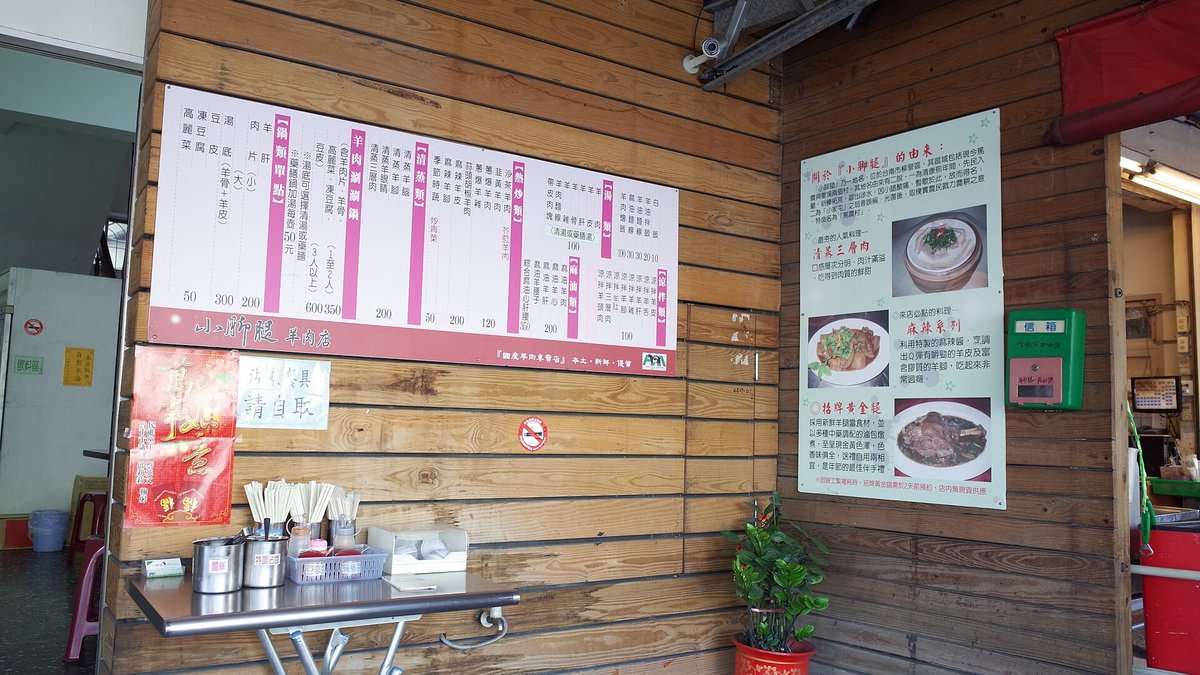
Shenzhen is one of China's great eating cities — Cantonese dim sum, Chaoshan beef hotpot, Hunan spice and street snacks all in one place. Here's what to try first and how to order without stress.
For the real Shenzhen food scene, follow the night markets and street stalls: BBQ skewers, stinky tofu, grilled oysters and sugar water. Here's where to go and what to order.
Don't speak Chinese? You can still eat incredibly well in Shenzhen. Use photo menus, QR-ordering with auto-translate, WeChat scan-translate, and a handful of key phrases written down. Here's the full toolkit.
Shenzhen is friendlier than most Chinese cities for special diets: Buddhist vegetarian restaurants, halal (清真) spots, and plenty of vegetable-forward cooking. Here's how to find them and what to know.
Missing Western food? Shenzhen has a thriving cafe scene: specialty coffee, brunch with eggs benedict, and bakeries in Futian, Nanshan and Shekou. Here's where expats and travellers go.
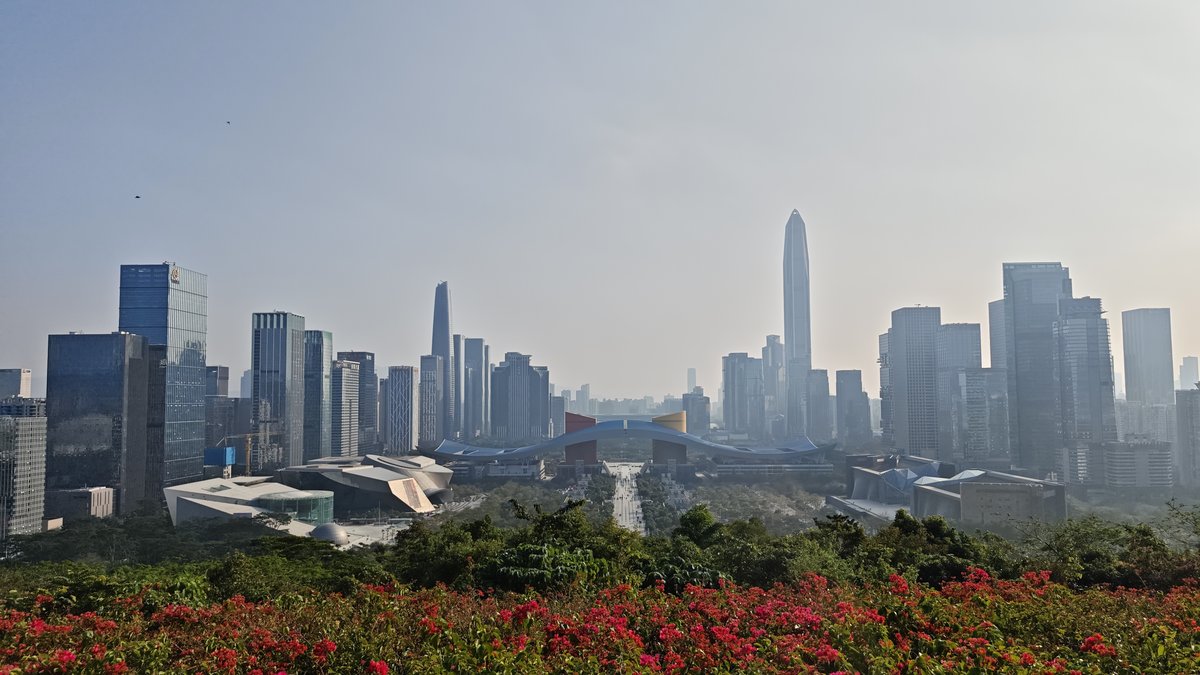
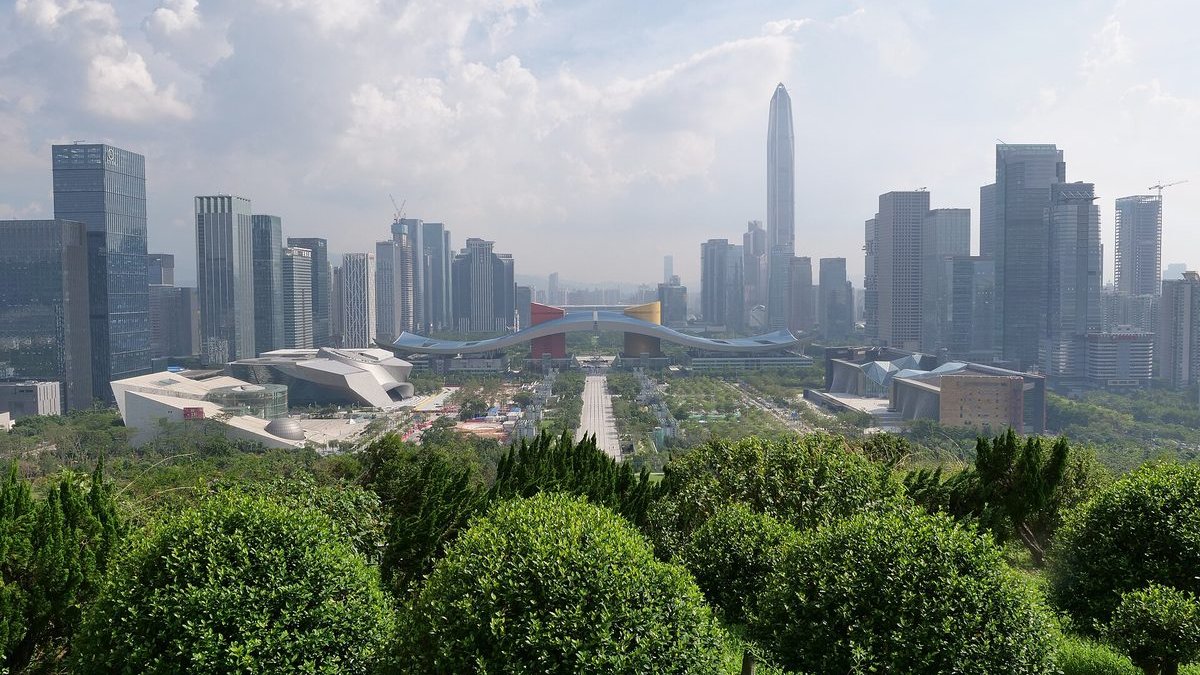
From the Window of the World to the futuristic Ping An Finance Centre, Shenzhen's best attractions: theme parks, coastal walks, ancient villages, museums and skyline views. A first-timer's must-see list.
Only one day in Shenzhen? Here's a route that hits the skyline view, an ancient town, seafood lunch, a cultural park and a sunset coastal walk — all doable by metro from the border.
A weekend in Shenzhen: day one in the west for theme parks and creative culture, day two in the east for beaches and an ancient town. Plus where to eat and stay.
Shenzhen has several big theme parks and this is how to choose: Happy Valley for thrill rides, OCT East for nature and scenery, Window of the World for landmarks, and more. Compare before you buy tickets.
Some of Shenzhen's best experiences cost nothing: the Shenzhen Bay boardwalk with skyline views, Sea World's waterfront buzz, Nantou's ancient lanes and the OCT-LOFT creative park. Here's the free-side guide.
Escape the tour buses: Dafen Oil Painting Village's artist studios, OCT-LOFT's converted-factory creative quarter, and the 1,700-year-old lanes of Nantou Ancient City. Shenzhen's alternative side.
Luohu is handiest for the border, Futian is the modern centre with metro lines everywhere, Nanshan/Shekou suits expats and seaside fans, and OCT is quieter and greener. Here's how to pick your base.
Shenzhen hotel picks for every budget: international chains near the border, skyline luxury in Futian, boutique stays in Nanshan, and good-value mid-range options. Plus what to expect at check-in as a foreigner.
The best ways for foreigners to book Shenzhen hotels: Trip.com works smoothly with foreign passports, while Chinese apps like Meituan (美团) are cheaper but need Chinese. Plus check-in documents and deposit tips.
What to do in a medical emergency in Shenzhen: the 120 ambulance number, 110 police, and how to find hospitals with international departments that speak English. Plus pharmacies and travel insurance tips.
From Luohu Commercial City's bargaining maze to gleaming Futian malls, Shenzhen is a shopper's paradise. Here's where to shop, what to buy, and how to avoid tourist-trap prices.
Shenzhen after dark: rooftop bars with skyline views, live music venues, expat-friendly pubs in Shekou and trendy clubs in Futian. A safe and friendly nightlife guide for visitors.
No need to be anxious — but a few etiquette basics make everything smoother: "扫码" (scan-to-pay) payment culture, queueing (kind of), gift rules, face, and how to say thank you in Mandarin.
Shenzhen is a safe city, but tourist areas have classic scams — tea ceremony invites, taxi overcharging, counterfeit goods, and the 'closed today' trick. Here's how to spot and avoid them.