When you move to Shenzhen, the first thing to sort out is getting online: a mainland SIM card (for receiving bank verification codes and linking WeChat Pay and Alipay) plus a home broadband connection. This guide covers the three major carriers' pricing structures, what to bring for real-name registration, where to sign up near the border, and the step-by-step process for getting broadband installed.
1. SIM Cards: Three Types to Know First
1. Mainland Prepaid SIM (Most Common)
China Mobile, China Unicom, and China Telecom all offer prepaid SIMs with monthly fees starting from a few dozen yuan, including a set amount of data and call minutes. The most important feature of these cards isn't the data — it's that they can receive SMS verification codes. Opening a bank account, linking WeChat Pay and Alipay, buying high-speed rail tickets — everything depends on it.
2. Dual-Number SIM / Hong Kong Number with Mainland Sub-Number
Several Hong Kong telecoms offer dual-number services that add a mainland sub-number to your Hong Kong number. The advantage is you don't need to swap SIMs and you pay the monthly fee in Hong Kong. The downside is that some mainland apps (especially financial ones) still require real-name verification with a mainland number, so it may not work everywhere.
3. Hong Kong SIM Roaming / eSIM Only
Simplest for short trips north — no SIM swap needed and you're online immediately. But monthly fees are high and data is limited, so it's not cost-effective for long-term stays.
2. Real-Name Registration: You Must Bring Your Home Return Permit in Person
- Bring your Home Return Permit (Mainland Travel Permit for Hong Kong and Macao Residents) to an official carrier service hall.
- Staff will photocopy your ID, take your photo, and do facial recognition, then activate the SIM on the spot.
- If you have proof of a mainland address (lease, residence permit), even better — it's useful when applying for broadband bundling.
- There's a limit on how many SIMs one Home Return Permit can register with the same carrier. Don't register SIMs on behalf of others.
Pitfalls to avoid: Don't buy "pre-registered" SIMs from street stalls or online — if the card is used for fraud, you'll be implicated. Also don't let anyone register a SIM under your name. Official hotlines: China Mobile 10086, China Unicom 10010, China Telecom 10000 (dial directly from a mainland number).
3. Home Broadband: Which Carrier, How Much, How to Install
Shenzhen home fibre broadband is dominated by China Telecom, China Mobile, and China Unicom, with some community broadband providers as well. Pricing depends on your estate, building age, and contract length — the same carrier can charge different rates in different estates, so you must check coverage and get a quote for your specific address (via the official website or a service hall). Key points to note:
- Most require a mainland mobile number, meaning you need a SIM first. A 12-month contract may also be required.
- Cost structure: monthly/annual fee + one-time installation fee (some estates offer discounts or free installation) + equipment (optical modem/router) deposit or rental.
- If you're renting, ask your landlord: many units already have broadband set up. You can either transfer the existing account or sign up fresh — the former is much cheaper.
- Installation: after ordering via app or hotline, a technician typically visits within 2–3 working days. Make sure someone is home.
- Coverage and speeds in urban villages and older buildings can differ hugely from new estates. Always check by address before ordering.
Because broadband pricing changes frequently, this article doesn't list specific monthly fees — please refer to the carrier's official website or service hall for the latest published rates, and the actual coverage quote for your estate.
4. Practical Advice
- Short stay: A mobile SIM plus a data card from a convenience store is enough. Don't buy suspiciously cheap cards of unknown origin.
- Six months or more: Get both a SIM and home broadband, and apply for a residence permit while you're at it (having one makes opening accounts and registering SIMs much smoother).
- Frequent cross-border travellers: Keep your mainland number active (use a low-fee number-keeping plan). Don't let it lapse — once the number is suspended, all your bank, WeChat, and Alipay bindings need re-verification.
- Cancelling a SIM: Go to a service hall to deregister. Unpaid fees will affect your ability to register new SIMs later.
5. Where to Sign Up Near the Border
- Luohu: Exit A of Luohu Station on Line 1 — carrier stores are right outside the border crossing. The most straightforward option.
- Futian: Futian Checkpoint Station on Line 4, or around Convention & Exhibition Center Station on Lines 1/4. Office district stores have more locations and shorter queues.
- Shenzhen Bay: Shenzhen Bay Port Station on Line 13, near Coastal City and Shenzhen Bay MixC in Nanshan — combine it with a shopping trip.
The three major carriers all have large flagship service halls at Shenzhen North Station, Huaqiangbei, and Dongmen, with the fullest stock and plan selection. When signing up, ask about "broadband coverage" for your address at the same time — get it all done in one visit.
6. Home Broadband vs 5G Router: Which to Choose?
- Fibre-to-the-home: Fastest and most stable (100M–1000M). Ideal for streaming, gaming, and remote work. But requires cabling, a contract, and waiting for a technician.
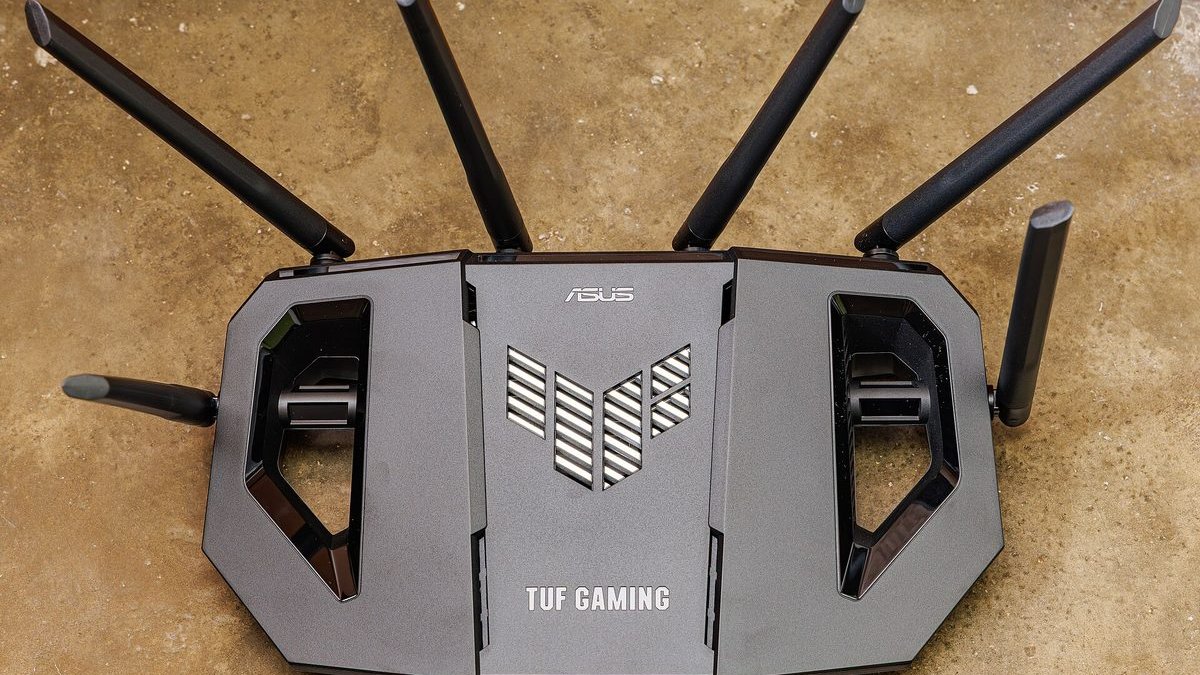
- 5G home broadband / portable Wi-Fi: Plug in and go, no installation needed. Good for short leases or frequent moves. Downside: speeds fluctuate at peak times, and the monthly fee including equipment may be higher than fibre.
- Phone hotspot: Cheapest, but overheats and drains battery with prolonged use, and isn't suitable for high-data work.
The decision is simple: lease of a year or more, need 4K streaming or video calls → fibre. Short three-month lease, light usage → 5G router.
7. Money-Saving Tips
- When signing up at a service hall, ask directly about "new customer offers" and "contract-period discounts" — the same plan can be priced differently at different stores.
- Choose annual payment for broadband — usually cheaper than monthly. But confirm how mid-contract relocation or cancellation is handled.
- Don't buy the most expensive plan for data — public Wi-Fi is widespread in mainland China, and you'll mainly use broadband at home.
- Watch out for "auto-renewal on contract expiry" clauses. Ask about renewal offers a month before your contract ends.
FAQ
Can I get a mainland SIM without a Home Return Permit?
No. Real-name registration requires a valid ID (Home Return Permit or Hong Kong/Macao Resident Residence Permit). A passport may work in certain cases but usually only for specific plans — just bring your Home Return Permit to an official service hall.
Can one SIM receive both Hong Kong and mainland SMS?
With a dual-number service, yes. If you have two separate SIMs, you'll need two phones or a dual-SIM handset.
What if I move before my broadband contract expires?
You can apply for a "line transfer" to move the connection to your new address (provided the new address has coverage). If there's no coverage at the new location, you may need to cancel — check whether your contract has an early termination penalty.
Which 5G carrier is best in Shenzhen?
All three have good coverage in urban areas. In suburbs, coastal areas, and mountainous regions, China Mobile is usually the most reliable. It really depends on where you live — ask your neighbours in the same estate.
Monthly Fee Tiers: Starting from Number-Keeping Plans
If you just want to keep a mainland number for receiving SMS verification codes, you don't need an expensive plan. The low-tier "number-keeping plans" commonly mentioned (such as China Mobile's 8-yuan tier or China Telecom's 5-yuan tier, colloquially known as the "Wuyou Card") are enough for bank, WeChat, and Alipay verification codes. These low-tier plans are handled differently at different stores — some require you to ask proactively, or even file a complaint before they'll process it. Actual monthly fees and activation conditions are subject to the carrier's latest official announcements.
Border Crossing Hours Quick Reference (Verified 2026-09-27)
Operating hours of all control points as published by the Hong Kong Immigration Department (verified 2026-09-27): Luohu 06:30–24:00 | Lok Ma Chau Spur Line (Futian Checkpoint) 06:30–22:30 | Lok Ma Chau (Huanggang Port) 24 hours | Shenzhen Bay Passenger clearance building and private car terminal 06:30–24:00 (goods vehicles 24 hours) | Man Kam To 07:00–22:00 | Heung Yuen Wai (Liantang) 07:00–22:00 | High Speed Rail West Kowloon Station 06:30–23:30. This timetable directly affects how late you can stay out and what time you need to leave to get back to Hong Kong. Before you travel, it's best to check the Hong Kong Immigration Department website again to confirm.
Service halls only operate during daytime hours, so don't plan to sign up for a SIM or broadband at night.
FAQ Supplement
Do I need a mainland ID to apply for broadband? Hong Kong residents can apply with a Home Return Permit (or Hong Kong/Macao Resident Residence Permit), but some estates require a mainland mobile number. So the normal order is: get a mainland SIM first → then apply for broadband → apply for a residence permit if needed.



💬 Comments
Loading…