Shenzhen's Traffic Management Bureau of the Public Security Bureau issued a notice on 20 September 2026: new e-bike restricted-zone rules take effect on 1 October 2026 and remain valid until 30 September 2027. The new measures keep the three-tier system (Tier 1 / Tier 2 / Tier 3), add 10 new Tier 2 restricted road sections, and lift the Tier 1 restriction that previously covered Huaqiangbei Pedestrian Street (meaning compliant e-bikes may use it again).
Most Hong Kong visitors get around Shenzhen by metro, bus or on foot, but in recent years more people have been renting shared bikes — or even thinking about buying an e-bike to keep in Shenzhen. So these new rules are directly relevant. Below we explain how the three tiers work, which situations will get you in trouble, and the most practical options from the three main border crossings.
1. Effective 1 October: the three tiers at a glance
| Restriction tier | Access rules | Exceptions |
|---|---|---|
| Tier 1 restricted zone | No access 24 hours a day | No exceptions — all e-bikes and non-motorised vehicles are barred |
| Tier 2 restricted zone | No access 24 hours a day | Only registered livelihood-sector vehicles (food delivery, couriers, street cleaning, etc.) |
| Tier 3 restricted zone | Time-based restrictions on working days | During restricted hours, only vehicles used for school pick-up and drop-off |
City-wide Tier 1 restricted areas include: all expressways and the main carriageways of urban express roads (excluding side roads), plus tunnels, elevated roads and interchanges without separate non-motorised lanes (including slip roads). Put simply, even a licensed e-bike cannot use the main carriageways of express roads such as Binhe Boulevard, Beihuan Boulevard or Nanping Expressway, or their tunnels. Tier 2 zones bar even licensed private e-bikes — only livelihood-sector vehicles are allowed. The 10 new Tier 2 restricted sections take effect on 1 October, so it's worth checking Amap before you set out.
2. Four situations Hong Kong visitors run into most
- ① Thinking of buying an e-bike: Shenzhen operates a registration system for e-bikes — you must register and plate the vehicle through the Shenzhen Public Security Bureau Traffic Police before it can legally go on the road. Vehicles registered outside Guangdong must be re-registered, and Hong Kong plates are not valid in Shenzhen at all. For short-term visitors, buying a bike isn't worth it, and there's no legal way to plate it.
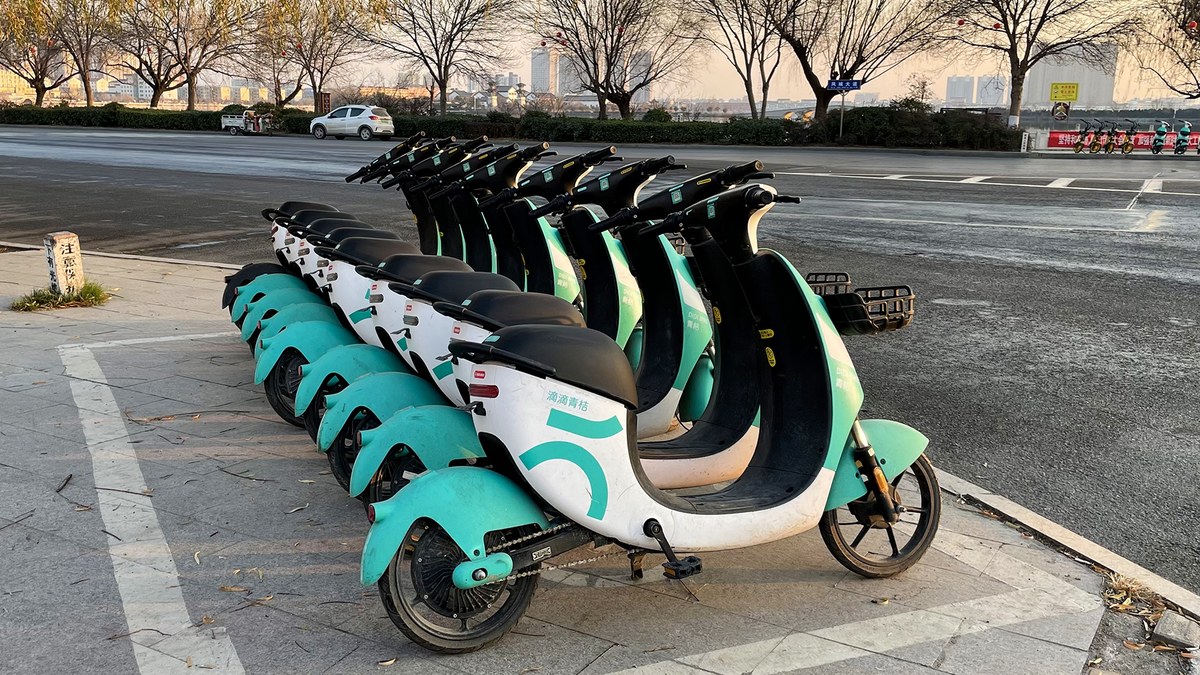
- ② Riding shared bikes: Ordinary pedal-powered shared bikes are not e-bikes and are unaffected by the three-tier restrictions, but you must still use non-motorised lanes, keep off pedestrian fast lanes, and park inside designated parking boxes — careless parking can trigger a dispatch fee from the operator.
- ③ Driving in under "Northbound HK Vehicles": The e-bike restrictions don't apply to motor vehicles; however, passenger cars with non-local plates (including Hong Kong plates) are subject to their own restrictions on working days from 07:00–09:00 and 17:30–19:30, so plan your itinerary in advance.
- ④ Port areas where people and vehicles compete for space: The areas around Luohu Port, Futian Port and Shenzhen Bay Port are extremely busy. Even where non-motorised lanes exist, cycling isn't advisable — walking plus the metro is the most practical option.
3. From three border crossings: getting around smoothly without a bike
Luohu Port: A few minutes' walk from the checkpoint brings you to Renmin South Road. For Dongmen Pedestrian Street and the MixC area, you can walk the whole way or take Metro Line 1 — one stop to Guomao, two stops to Grand Theatre. No e-bike needed at all.
Futian Port: The checkpoint exits straight into Futian Checkpoint Station on Metro Lines 4 and 10. Line 10 runs directly to Gankeng Station (Gankeng Hakka Town), while Line 4 heads north to the Convention & Exhibition Center and Civic Center areas. Metro stations are dense in the city centre, so walking times are usually under 10 minutes.
Shenzhen Bay Port: Shenzhen Bay Checkpoint Station on Line 13 runs directly to Houhai in Nanshan — just a few stops to Coastal City and Shenzhen Bay MixC. If you fancy a waterfront walk, the entrance to Shenzhen Bay Park is also within walking distance.
4. The reality on Shenzhen's streets: why so strict?
Shenzhen has an enormous number of e-bikes, mixing food delivery, couriers and private commuters, and conflicts between pedestrians and non-motorised lanes are very common. The direction of these new rules is to "crack down on city-wide disorder while relaxing individual sections" — which is why you see 10 new Tier 2 restricted roads alongside the lifting of the Tier 1 restriction on Huaqiangbei Pedestrian Street. For visitors, the conclusion is simple: don't rent or buy an unlicensed e-bike — stick to the metro, buses and shared bikes.
Traffic and footfall around the ports are extremely heavy — Renmin South Road outside Luohu Port and the Yuheng Road area outside Futian Port demand extra care whether you're cycling or walking. If you want a relaxing ride, consider the greenways: the Dasha River Ecological Corridor, Shenzhen Bay Park and Lianhuashan Park all have cycle paths (some sections inside parks prohibit cycling — check the signs before entering).
5. Four practical tips
- When searching routes on Amap, choose "Cycling" under travel mode — it automatically avoids express-road main carriageways and tunnels, so you don't have to memorise the list.
- Crossing the road in Shenzhen runs on "vehicles yield to pedestrians", but e-bike chaos is still common — look both ways when crossing non-motorised lanes, not just at the traffic lights.
- Unlock shared bikes by scanning with WeChat or Alipay — no separate card needed. Remember to park inside the white parking boxes, or you may be charged a dispatch fee.
- Traffic around the ports is often congested on holidays. 13:00–16:00 is a relatively quieter window for crossing, and combined with extended metro service hours (last trains run later on holidays) it's a safer bet.
6. FAQ
After 1 October, can I not ride an e-bike anywhere in Shenzhen?
No, that's not right. Restrictions are tiered by area: Tier 1 and Tier 2 zones ban e-bikes 24 hours a day, while Tier 3 zones only restrict them during specified hours on working days. On all other roads and at all other times, registered and plated e-bikes can be ridden normally.
Can Hong Kong residents buy an e-bike in Shenzhen to get around?
Buying one is easy; making it legal on the road is the hard part. Shenzhen requires registration and plating, and Hong Kong residents generally need local documents such as a Shenzhen residence permit. Plates from outside Guangdong must be re-registered, and Hong Kong plates are not valid in Shenzhen at all. For pure tourism or short trips north, buying a bike isn't recommended.
Are shared bikes restricted too?
Pedal-powered shared bikes are unaffected by the three-tier restrictions — just follow the non-motorised lane and parking rules. But if you're riding a shared electric bike or e-scooter, the e-bike registration and restriction rules apply.
How much is the fine for violations?
Riding an unregistered e-bike, entering restricted zones, running red lights and similar offences are handled by traffic police under the Shenzhen Special Economic Zone Road Traffic Safety Regulations, and can result in fines or even vehicle seizure. For the actual penalties and the latest restricted sections, refer to announcements from the Traffic Management Bureau of the Shenzhen Public Security Bureau.
Do I need a helmet to ride an e-bike?
Yes. Shenzhen requires both riders and passengers on e-bikes to wear safety helmets. Riding unregistered, entering restricted zones or not wearing a helmet can all lead to penalties from traffic police. The safest approach for visitors is simply not to ride an e-bike at all.
Sources
This article is compiled from the Traffic Management Bureau of the Shenzhen Public Security Bureau's "Notice on Maintaining Existing Traffic Management Measures for Electric Bicycles and Other Non-Motorised Vehicles" (issued 20 September 2026, effective 1 October) and public summaries from Shenzhen Bendibao. Restricted sections may be adjusted seasonally and according to traffic conditions — before you travel, refer to the latest official announcements and real-time routes on Amap.
💬 Comments
Loading…