
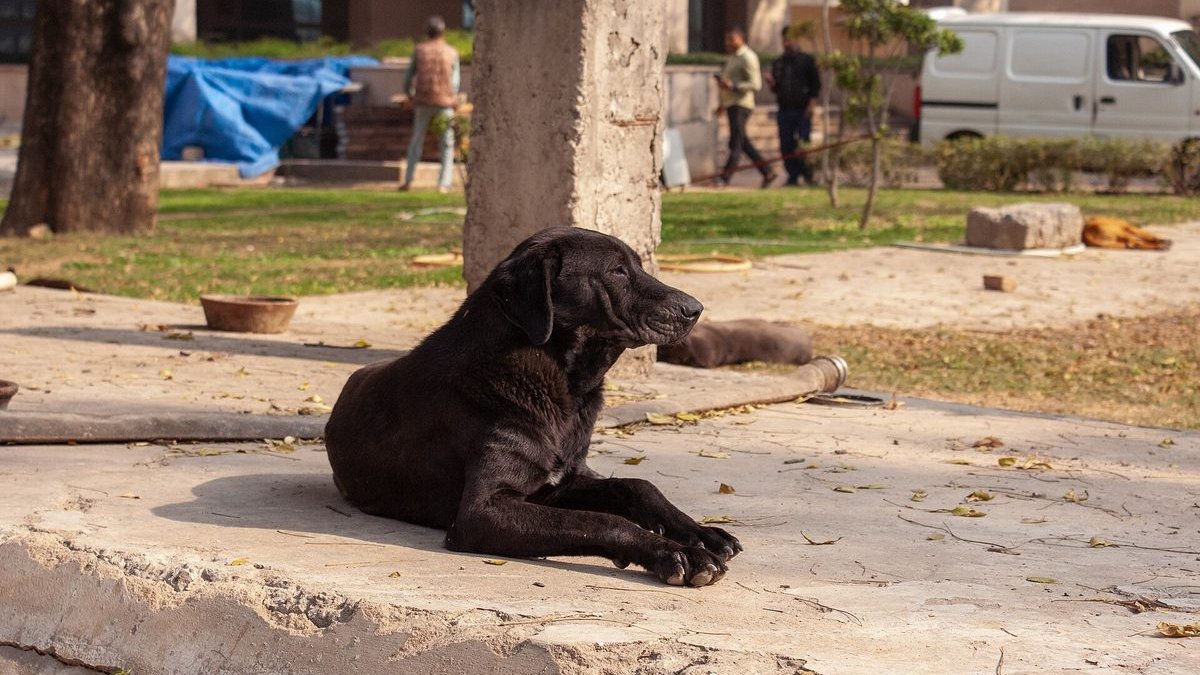
Bringing cats and dogs to Shenzhen for family visits, short stays, or even long-term living is a real need for many Hong Kong residents. But cross-border pet travel is nothing like crossing the border yourself — not a single document can be skipped. Below, we walk through both the Hong Kong exit and mainland China entry procedures, based on the official requirements of Hong Kong's Agriculture, Fisheries and Conservation Department (AFCD).
Official Requirements: Four Things Needed for Mainland Entry
According to the General Administration of Customs announcement on quarantine supervision for bringing pets into the mainland, the AFCD lists the following requirements for bringing cats and dogs from Hong Kong into the mainland (including but not limited to):
- Quantity limit: Each person may bring only one cat or dog per entry.
- Microchip: The cat or dog must have an implanted microchip meeting International Organization for Standardization (ISO) standards.
- Animal health certificate: An animal health certificate issued within 14 days before entry must be provided.
- Rabies vaccination certificate: A valid rabies vaccination certificate must be provided upon entry.
Animal Health Certificate Endorsement Procedure (Official AFCD Process)
- First, engage a Hong Kong registered veterinarian to perform a clinical health examination on the cat or dog, and to complete and issue the animal health certificate in accordance with mainland entry requirements.
- The certificate must include: cat/dog details (breed, scientific name, sex, coat colour, date of birth or age), microchip number, microchip implantation date and location (the word "implanted" must be clearly stated on the certificate), clinical examination results (confirming no infection with rabies or other animal infectious and parasitic diseases), and the clinical examination date.
- Submit in person to the AFCD: ① the animal health certificate issued by the registered veterinarian; ② the rabies vaccination record; ③ the dog licence (for dogs); ④ the AFCD's animal health certificate application form and declaration.
- Once documents are complete and fees paid, endorsement is generally processed in one working day (submit in the morning, collect the next working day morning; submit in the afternoon, collect the next working day afternoon).
Note: Any alteration on the certificate will render it invalid — the veterinarian must reissue it. Dogs must hold a valid dog licence before endorsement can be processed.
Border Crossing in Practice: Which Checkpoint to Use?
Pets must cross the border together with their owner, so land checkpoints are generally the choice: Shenzhen Bay Port (Shenzhen Bay Port Station, Line 13), Futian Port (Futian Port Station, Line 4), and Huanggang Port (Huanggang Port Station, Line 7) are all options — but whether pets are actually accepted can vary, so it's best to confirm with the checkpoint operator or customs before you travel. When crossing, you must proactively declare to mainland customs, present the animal health certificate and vaccination certificate, and customs has the right to require an on-site inspection.
Tips: ① The certificate is valid if issued within 14 days before entry — don't get it too early; ② Bring the microchip number and the vet clinic's phone number for easy verification; ③ Cats and dogs must be placed in a ventilated pet bag/carrier — you cannot carry them in your arms through the border; ④ During peak hours (weekend mornings) the checkpoint is crowded, so allow an extra half hour.
Shenzhen Vets and Pet Services
Shenzhen's pet medical market is large and highly competitive. For the same examination or vaccine, fees are generally 30–50% cheaper than in Hong Kong, and large chains (such as Ruipeng Pet Hospital) mostly offer 24-hour emergency services and laboratory equipment. Tips for choosing a clinic:
- Choose a licensed clinic holding an Animal Diagnosis and Treatment Permit — the certificate will be displayed at the entrance.
- Ask clearly about the vaccine batch and brand; after vaccination, stay for a 30-minute observation.
- Ask for prices before the consultation — getting itemised quotes for examinations (blood tests, X-rays, ultrasound) is the safest approach.
- Remember to request the medical record and receipt — they'll be useful for follow-up with your Hong Kong vet.
Where to Buy Pet Supplies and Food?
Pet supplies in Shenzhen are generally cheaper than in Hong Kong, especially cat litter, cat trees, toys, and large bags of dry food. There are three channels: ① Meituan/JD apps for same-day delivery; ② pet shops inside large shopping malls; ③ Taobao consolidation shipping (best value for large cat trees). For cat and dog food, watch the expiry date and keep it dry — don't stock up too much at once.
Transport Quick Reference: Choosing Between Three Checkpoints
- Shenzhen Bay Port: Shenzhen Bay Port Station, Line 13 — fastest for Nanshan, Shekou, and Qianhai, with the fewest crowds.
- Futian Port: Futian Port Station, Line 4 — connects to Line 10 for Longhua and Bantian.
- Luohu Port: Luohu Station, Exit A, Line 1 — metro right after crossing, most convenient for Luohu and Dongmen.
When crossing with pets, avoid the weekend morning 9–11 am peak — fewer people means faster inspection. After crossing, note when taking the metro: pets must stay inside their bag/carrier at all times, and some venues and shopping malls do not allow pets inside, so confirm your destination's rules before setting out.
Shenzhen Vet Fee Reference
- General consultation fee: about ¥100–¥300 (depending on clinic tier and location).
- Vaccines (e.g. rabies, FVRCP): about ¥80–¥200 per dose.
- Neutering surgery: about ¥800–¥2,500 (depending on weight and sex).
- Emergency/hospitalisation: mostly charged separately; some chains offer 24-hour service, with typical opening hours of 09:00–21:00.
The above are common market ranges; pricing varies by clinic, so the on-site quote prevails. Before surgery, always ask clearly whether anaesthesia, medication, and follow-up visits are included.
Practical Tips (Summary)
- The animal health certificate must be issued "within 14 days before entry" — visiting the vet one week before departure is safest.
- Photocopy/scan a full set of documents as backup, so you can check on the spot if questioned at the border or clinic.
- The pet bag must comply with public transport size limits — convenient for both border crossing and the metro.
- Shenzhen summers are hot — never leave pets in a car or in open-air areas to wait.
FAQ
Can I bring two cats across the border at once?
No. Official rules explicitly state each person may bring only one cat or dog per entry — for two, you'll need two people travelling together.
Where do I get the animal health certificate in Hong Kong?
It's issued by a Hong Kong registered veterinarian, then submitted in person to the AFCD for endorsement. Vet clinics are usually familiar with the process and can help prepare the documents.
Does my pet need quarantine when returning to Hong Kong?
For cats and dogs imported from the mainland (including Shenzhen) back to Hong Kong, cases meeting quarantine requirements have their post-arrival quarantine period shortened to 30 days (the mainland was included in Group IIIA from 3 June 2025). For actual arrangements and quarantine facility bookings, check the AFCD's latest announcements.
If my pet gets sick in Shenzhen, can I bring it back to Hong Kong to see a vet?
Yes, but re-entering Hong Kong requires meeting import quarantine requirements again (microchip, vaccines, blood serum tests, etc.). For short stays, it's more practical to treat the pet in Shenzhen directly — just remember to bring the full medical record back for follow-up.
Returning to Hong Kong: You'll Need to Redo the Paperwork
Bringing cats and dogs from the mainland back to Hong Kong isn't simply "turning around and going back" — you must meet Hong Kong's import quarantine requirements again (microchip, rabies vaccine, and in some cases a serum antibody test and import permit). The mainland was included in Group IIIA from 3 June 2025, and qualifying cases have their post-arrival quarantine period shortened to 30 days. For short stays, the most practical approach is to check the AFCD's latest arrangements and book quarantine facilities before you depart — don't leave it until you're about to return.
Checkpoint Opening Hours (Essential for Travelling with Pets)
Control point opening hours published by the Hong Kong Immigration Department (verified 2026-09-27): Luohu 06:30–24:00 | Lok Ma Chau Spur Line (Futian Port) 06:30–22:30 | Lok Ma Chau (Huanggang Port) 24 hours | Shenzhen Bay passenger terminal and private car passenger service 06:30–24:00 (goods vehicles 24 hours) | Man Kam To 07:00–22:00 | Heung Yuen Wai (Liantang) 07:00–22:00 | High Speed Rail West Kowloon Station 06:30–23:30. This timetable directly affects how late you can stay out and what time you need to leave to return to Hong Kong — best to check the Hong Kong Immigration Department website again before departure.
When crossing with pets, it's best to pick less crowded times (weekday mornings or afternoons), avoiding the weekend morning 9–11 am peak. Having a 24-hour checkpoint (Huanggang) as backup gives you more flexibility in your itinerary.
FAQ Supplement
Can pets ride the Shenzhen metro or taxis? Pets are not allowed on the Shenzhen metro (except guide dogs and other working dogs). For taxis and ride-hailing, you need to ask the driver in advance whether they'll accept pets — most require the pet to stay inside a bag/carrier at all times, and some drivers will refuse. When booking a ride, it's best to note "travelling with pet, in carrier" in the app remarks.

💬 Comments
Loading…