Shenzhen's Birdwatching Season Kicks Off in October
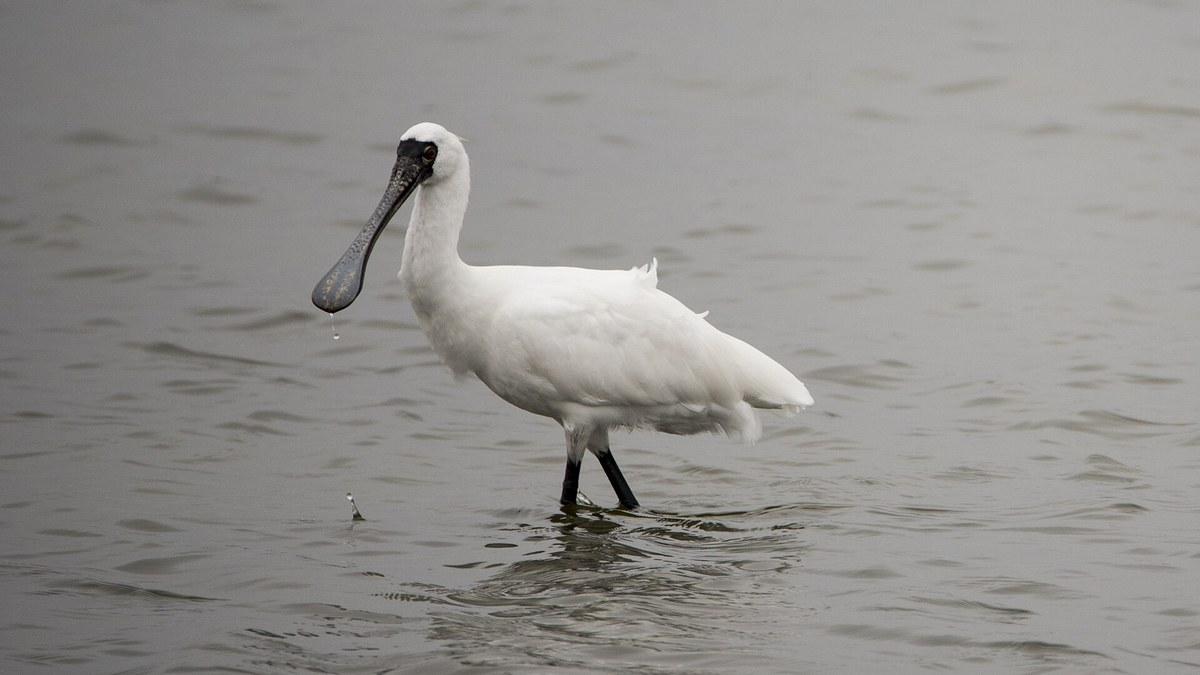
Every autumn, large flocks of migratory birds fly south from the north to winter around Shenzhen Bay, and Shenzhen officially enters "birdwatching season" (generally lasting from October to March the following year). The most famous visitor is the black-faced spoonbill, a national first-class protected animal. Shenzhen Bay is one of the most important stopover sites for migratory birds in South China, and the Futian Mangrove area records over 10,000 waterbirds every year. This activity is completely free, and you don't have to squeeze through shopping malls with the crowds — a walk in the cool autumn weather is very pleasant. Below are 5 birdwatching spots reachable from the city centre.
1. Shenzhen Bay Park (Nanshan)
The most convenient birdwatching spot in all of Shenzhen. You can walk along the coastal boardwalk and watch as you go; on the mangrove mudflats you'll commonly see little egrets, grey herons and pied avocets, and with luck you may even spot a black-faced spoonbill. The park is over ten kilometres long, so you don't need to walk the whole thing — pick the "Mangrove" section, where the birds are most concentrated. Address: Shenzhen Bay Park, Binhai Avenue, Nanshan District, Shenzhen; Transport: Shenzhen Bay Park Station on Metro Line 9, Hongshuwan South Station on Line 2; Opening hours: open all day, free.
2. Futian Mangrove Ecological Park (Futian)
Located in Futian District, close to the mouth of the Shenzhen River, this is the most easily accessible mangrove area in the city. The park has birdwatching hides and wooden boardwalks, letting you see waterbirds on the mudflats up close — great for bringing children. Address: Junction of Furong Road and Xinzhou Road, Futian District, Shenzhen; Transport: about a 1.1 km walk from Shawei Station on Metro Line 7, or take a bus to Mangrove Station; Opening hours: 06:00–23:00, free.
3. OCT Wetland Park (Nanshan)
A relatively "wild" wetland park in Nanshan District, where reeds and mangroves intermingle and bird species are more varied than in city parks — a secret spot for many birdwatching enthusiasts. Note: you need to book entry in advance through official channels; you cannot enter on the spot. Address: Junction of Baishi Road and Qiaocheng East Road, Nanshan District, Shenzhen; Transport: Qiaocheng East Station or Baishizhou Station on Metro Line 1, then about a 15-minute walk; free but advance booking required.
4. Xiwan Mangrove Wetland Park (Bao'an)
On the waterfront of the Bao'an central district, the colours of the sky and mudflats at sunset are stunning, and it forms the western wing of the Shenzhen Bay migratory bird belt. There are fewer people than at Shenzhen Bay Park, making it ideal for those who want to watch birds quietly and take in the sunset. Address: Xiwan section of Bao'an Avenue, Bao'an District, Shenzhen; Transport: Gushu Station or Xixiang Station on Metro Line 1, then transfer to a bus; open all day, free.
5. Baguang Silverleaf Tree Wetland Park (Dapeng)
The most completely preserved silverleaf tree community in Dapeng New District, with a tranquil environment where you can see many passage waterbirds in winter. It's farther from the city centre, so it's best combined with a day trip around the Dapeng Peninsula. Address: Baguang, Kuichong, Dapeng New District, Shenzhen; Transport: driving is recommended, or take a bus from the city centre to Baguang and walk; free.
If you just want an easy stroll in the city, you can also add Honghu Park in Luohu — directly accessible from Honghu Station on Metro Line 7. Around the lake and the lotus pond you'll commonly see waterbirds such as little egrets, and afterwards you can head to Dongmen for food.
6. Choosing a Half-Day Birdwatching Route
If you only have one afternoon, the most recommended combination is "Shenzhen Bay Park → Futian Mangrove": after crossing the border at Shenzhen Bay Port, first walk the coastal boardwalk at Shenzhen Bay Park, then take Metro Line 2/9 and transfer to Line 7 to Futian Mangrove Ecological Park. The two spots are close together with smooth transport connections, and you can see two types of habitat in one day. If you're bringing children, you can just do Futian Mangrove — the boardwalk is flat, and there are birdwatching hides and toilets, making it the easiest option.
| Birdwatching spot | District | Transport | Fee |
|---|---|---|---|
| Shenzhen Bay Park | Nanshan | Shenzhen Bay Park Station on Metro Line 9 | Free |
| Futian Mangrove Ecological Park | Futian | Shawei Station on Metro Line 7 | Free |
| OCT Wetland Park | Nanshan | Qiaocheng East Station on Metro Line 1 | Free (advance booking required) |
| Xiwan Mangrove Wetland Park | Bao'an | Gushu Station on Metro Line 1, then bus | Free |
| Baguang Silverleaf Tree Wetland Park | Dapeng | Bus / drive | Free |
For photography, the light is best at dawn and dusk, and backlit silhouettes look superb; if you want to capture birds in flight, use continuous shooting with a fast enough shutter speed. A phone with 3x to 5x zoom is already enough to shoot waterbirds on the mudflats — you don't necessarily need to bring a big telephoto lens. If you'd like to join a guided walk led by experts, some parks offer free guided tours on weekends, so keep an eye on the parks' official announcements.
7. Best Times and Gear Tips
- Best times: 6:30–9:00 in the morning and 16:30–18:30 at dusk, when birds are most active; at low tide the mudflats are exposed and waterbirds are most concentrated, so check the tide table before setting out.
- Months: October to March the following year is the peak, and black-faced spoonbills are easiest to see from November to January.
- Gear: 8x to 10x binoculars are the most practical; a phone with a telephoto lens is enough for photos. Wear dark or earth-toned clothing, not fluorescent colours.
- Etiquette: Don't be loud, don't fly drones, don't feed the birds; keep your distance and don't use flash to photograph birds.
- Border crossing transport: Luohu Port → Metro Line 1 then transfer to Line 7 for Honghu and Shawei; Futian Port → Line 4 then transfer to Line 7; Shenzhen Bay Port → Line 13 then transfer to Line 2/9 for Houhai and Shenzhen Bay Park.
- Weather: In autumn, Shenzhen can still reach 28–30°C during the day, and it's cooler in the early morning, so remember to bring water and a hat; after rain the mudflats are slippery, so wear non-slip shoes.
- Transport card: Use the metro throughout — just scan the ride QR code with AlipayHK or WeChat Pay HK to enter the gates, no need to buy a separate card.
8. FAQ
Do I need to buy a ticket for birdwatching in Shenzhen?
All 5 parks above are free. The only exception is OCT Wetland, which requires advance booking to enter; places are limited, so it's best to book several days ahead.
Can beginners manage without binoculars?
Yes. At Shenzhen Bay Park and Futian Mangrove, the birds aren't far from the shore, so you can photograph them with a phone's telephoto lens. But if you want to see the black-faced spoonbill's "spoonbill" clearly, binoculars will help.
When is the easiest time to see black-faced spoonbills?
Generally November to January the following year is the peak, with the first arrivals from October. They feed on the mudflats at low tide, which is the best time to watch them.
Is it suitable for bringing children?
Yes. Futian Mangrove Ecological Park has wooden boardwalks and birdwatching hides, and the paths are flat and safe; but make sure children don't chase or feed the birds.
Is there anywhere to eat near the parks?
Futian Mangrove is close to Futian Port, so after your walk you can head to Shuiwei or Huanggang for food; near Shenzhen Bay Park are Coastal City and Houhai, with plenty of mall restaurants — after birdwatching you can grab a bite on the way.
Do I need to bring my own binoculars?
Not necessarily. Some birdwatching hides at Shenzhen Bay Park and Futian Mangrove have shared binoculars, but numbers are limited and there may be a wait on holidays, so bringing your own is more convenient.
In a Nutshell
On a cool autumn day in Shenzhen, besides shopping malls and food streets, birdwatching is another zero-cost yet quality option. Pick early morning or dusk, bring binoculars, keep quiet, and you can see the most beautiful natural scenes of the whole winter at Shenzhen Bay.
9. Futian Mangrove National Nature Reserve (Official Information)
The Futian Mangrove area mentioned above is in fact the Futian Mangrove National Nature Reserve — the only national nature reserve located in the heart of a city in China, and together with Hong Kong's Mai Po Inner Deep Bay wetlands it holds a site of international importance, a key node on the "East Asian–Australasian" migratory bird flyway. According to announcements by Shenzhen's health and forestry authorities:
- Every year it welcomes nearly 100,000 migratory birds to rest, refuel and winter, with the peak gathering season generally from October to April the following year.
- The reserve has recorded more than 270 bird species in total, including over 60 species of nationally key protected birds, with the black-faced spoonbill the "star" of the area. Thanks to conservation and restoration efforts, the black-faced spoonbill has in recent years been downgraded from globally endangered.
- Every November, Futian District holds the "Futian District Spoonbill Festival" (the eighth edition was held in 2025), with science pop-up points, art installations and a garden party at Futian Mangrove Ecological Park, many of them free.
Official birdwatching etiquette reminders: don't disturb, don't get close, don't feed, don't chase with drones — keep an appropriate distance and love and protect the birds. The tides and bird conditions at the reserve differ from day to day, so before setting out you can check the Shenzhen weather and tide table; at low tide the mudflats are exposed and waterbirds are most concentrated.
A reminder: the black-faced spoonbill is a national first-class protected wild animal, so don't use flash when photographing it; if you'd like to join an expert-led guided tour, keep an eye on public event announcements from the reserve and the Mangrove Foundation.

💬 Comments
Loading…