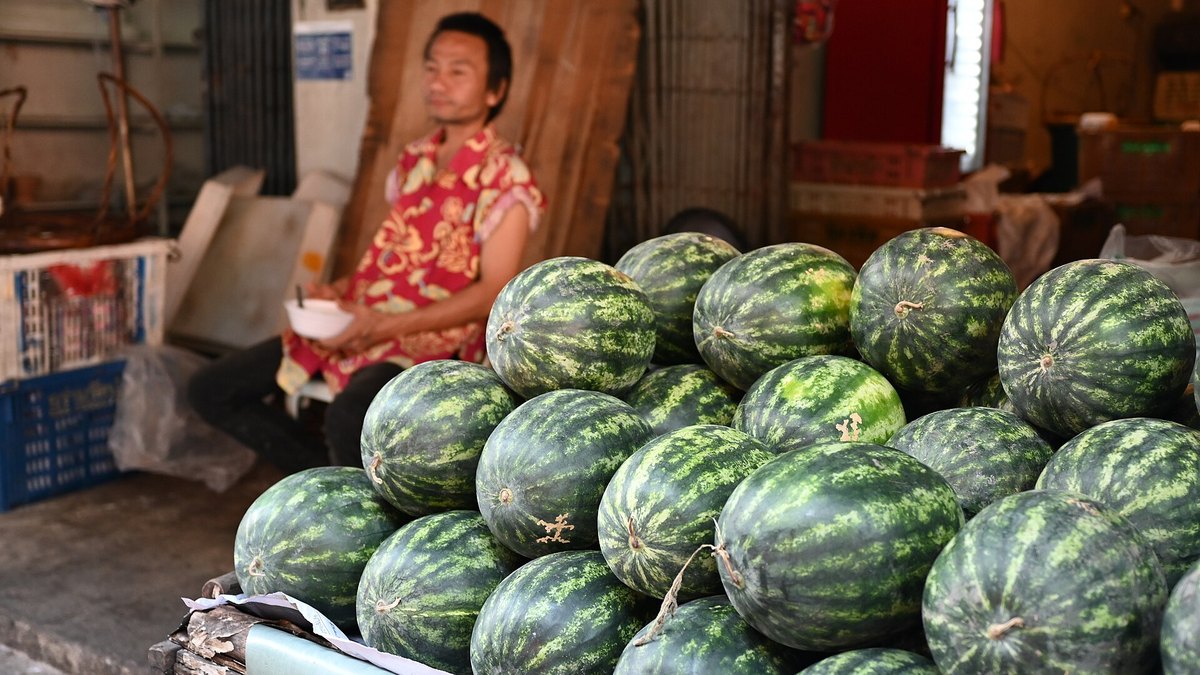
Fruit is expensive in Hong Kong — everyone knows that. Just how cheap can buying fruit in Shenzhen get? Domestic Shine Muscat grapes ¥110 for 3 packs, mangoes ¥2.5 per jin, in-season cherries ¥30–60 per jin — the same varieties cost a good deal more at Hong Kong's fruit wholesale market. Shenzhen has several "fruit market-grade" wholesale markets covering hundreds of thousands of square metres; one trip can stock up a whole week's worth of fruit. Below are 5 real venues, with addresses, metro exits and a Hong Kong–Shenzhen price comparison.
1. How big is the price gap between Hong Kong and Shenzhen fruit?
| Fruit | Shenzhen wholesale price (reference) | Hong Kong retail price (reference) |
|---|---|---|
| Domestic Shine Muscat grapes | ¥110 / 3 packs | HK$60–90 (≈¥51–77) / pack |
| Mangoes | ¥2.5 / jin | HK$10–20 (≈¥9–17) / piece |
| In-season cherries | ¥30–60 / jin | HK$60–120 (≈¥51–103) / pound |
| Lychees (in season) | ¥10 / 3 jin | HK$30–50 (≈¥26–43) / pound |
| Watermelon | ¥2–4 / jin | HK$5–8 (≈¥4–7) / pound |
The figures above are rough numbers for autumn 2026 and will fluctuate with season, variety and place of origin. Wholesale prices only apply when buying by the box; loose purchases cost a little more, but are still cheaper than in Hong Kong.
2. Five real wholesale markets
Haijixing Agricultural Wholesale Market (Pinghu, Longgang)
Shenzhen's only first-tier agricultural produce wholesale market and the city's largest fruit and vegetable wholesale base. It is enormous and divided into 4 buildings (fruit zone, dried goods and processed foods, vegetables and meat and eggs, seafood zone). Most imported cherries in Shenzhen are distributed from here, and it has the widest range if you are looking for special varieties.
- Address: No. 1 Dannong Road, Bainikeng Community, Pinghu Street, Longgang District, Shenzhen
- Transport: Metro Line 14 to Liuyuebei Station, then bus M266 for about 20 minutes; or transfer to a taxi
- Opening hours: generally 04:00–18:00 (wholesale markets open early — the earlier you go, the fresher the produce)
- Tip: the site is huge, so check the signs such as "Fruit Third Street" before you go in rather than wandering blindly
Futian Agricultural Wholesale Market (Meilin, Futian)
Known to Hong Kong visitors as an "upsized Yau Ma Tei Fruit Market", it covers about 100,000 ㎡ over 4 floors, with vegetables and fruit on the 2nd floor, each with more than 100 stalls. It is clean and tidy and right by a metro exit, making it the most convenient one for visitors from Hong Kong.
- Address: No. 9 Meishan Street, Meilin Road, Futian District, Shenzhen
- Transport: Metro Line 9 to Meijing Station Exit C, about 70 metres' walk to the southeast gate on the basement level
- Opening hours: about 06:00–18:00
- Tip: Alipay/WeChat Pay accepted, so no need to bring cash
Buji Agricultural Wholesale Market (Buji, Longgang)
A national-level central wholesale market that opened in 1989, covering 150,000 ㎡ with vegetables, fruit, grains and oils, meat and seafood all under one roof. It is one of the largest traditional wholesale markets in eastern Shenzhen.
- Address: Buji area (Buji Road), Longgang District, Shenzhen
- Transport: Metro Line 3/5 to Buji Station, Exit D1, about 700 metres' walk (around 10 minutes)
- Opening hours: about 05:00–18:00
Nanshan Agricultural Wholesale Market (Nanshan Avenue)
Nanshan District's agricultural produce wholesale hub, the closest to visitors crossing at Shenzhen Bay Port; it focuses on vegetables, fruit and seafood, with prices close to wholesale.
- Address: No. 3179 Nanshan Avenue, Nanshan District, Shenzhen
- Transport: Metro Line 12 to the Zhongshan Park Station area, then walk or transfer to a bus
- Opening hours: about 06:00–19:00
Shenzhen Haijixing International Agricultural Products Logistics Park (Pinghu, Longgang)
The full official name of Haijixing, a first-tier agricultural products logistics hub planned by the Shenzhen municipal government. It handles dried goods, tea, frozen products and fruit in a combined wholesale operation, and there is also an online store where you can place orders, some with next-day delivery.
- Location: same park as Haijixing Agricultural Wholesale Market (Dannong Road, Pinghu, Longgang)
- Tip: come here for dried goods, tea and gift boxes; the fruit section is in the separate zone next door
3. How to get there from three checkpoints
- Futian Checkpoint: cross the border and take Line 4 to Shangmeilin Station, then transfer to Line 9 for one stop to Meijing Station Exit C, which is the Futian Agricultural Wholesale Market; about 40 minutes in total, fare around ¥3.
- Luohu Checkpoint: take Line 1 and transfer to Line 9 to Meijing Station (Futian Agricultural Wholesale Market); for Buji Agricultural Wholesale Market, take Line 3 to Buji Station Exit D1.
- Shenzhen Bay Checkpoint: take Line 13 into the city then transfer to Line 12 to the Zhongshan Park Station area (Nanshan Agricultural Wholesale Market) — the closest of the three routes to the Nanshan market.
4. Practical tips for buying fruit
- Wholesale markets usually quote "per jin" or "per box". Before buying, ask clearly whether it is a "market jin" (500 grams) or a kilogram — a jin in mainland China equals 500 grams.
- Individual buyers may not get the lowest wholesale price. You can ask "how much for loose buying" and simply walk away if it doesn't suit you — no need to be shy.
- Most stalls only accept WeChat Pay/Alipay, so make sure yours is activated before you go in.
- Note customs rules when bringing fruit back to Hong Kong: fresh fruit is generally allowed, but you cannot bring back large quantities for commercial use; meat, eggs and poultry products face stricter restrictions, so check before you set off.
- Big markets like Haijixing and Buji open early and close early. Going in the afternoon usually means leftover stock of poorer quality, so it is best to arrive in the morning.
5. Seasonal fruit timetable (autumn 2026)
| Fruit | Season | Notes |
|---|---|---|
| Pomelo, buntan | September–November | Sweetest around Mid-Autumn; buy large rather than small |
| Dragon fruit | July–October | Red flesh is sweeter than white; sold by weight per jin |
| Guava | August–October | Autumn fruit is crisp and good to eat straight away |
| Persimmon | October–December | Let it soften before eating; don't eat it straight after buying |
| Cherries (imported) | From November | Haijixing is Shenzhen's first-hand distribution point |
| Sugar mandarins, New Year kumquats | From December | Busiest close to Lunar New Year |
September to November is the best-value fruit season in Shenzhen: pomelos, dragon fruit and guavas are all in season together, at their lowest prices of the year. To get the cheapest deals, remember to go in the morning (wholesale markets receive stock early), and ask clearly where the produce comes from.
6. Packaging and bringing fruit back to Hong Kong
If you buy fruit by the box, you can ask the stallholder to pack it in a foam box or cardboard box; if you only buy a small amount, a supermarket plastic bag is fine. When bringing it back to Hong Kong, note: fresh fruit is generally allowed for personal use, but it cannot be resold for commercial purposes; meat, eggs and poultry products are more strictly restricted, so don't mix them in the same bag as fruit. In hot summer weather, seafood and cut fruit should be packed with ice packs before crossing the border to stop them spoiling.
Frequently asked questions
Is fruit in Shenzhen really that much cheaper than Hong Kong?
For the same variety in the same season, wholesale prices are generally 30–60% cheaper than Hong Kong retail. How much you save depends on variety and season — the gap is widest in peak season (for example when lychees and cherries are in season).
Can I bring fruit back to Hong Kong?
Generally, fresh fruit can be brought back to Hong Kong for personal use, but not for commercial purposes, and you must comply with Hong Kong Customs and Agriculture, Fisheries and Conservation Department rules. Meat, eggs and live poultry products are more strictly restricted, so don't carry them mixed together.
Which market is best for a first visit from Hong Kong?
Futian Agricultural Wholesale Market: right by a metro exit, clean and convenient for payment — best for first-timers. If you want the widest variety, go to Haijixing, but allow more travel time.
Do I need to haggle in Mandarin?
Wholesale markets generally have fixed, clearly marked prices and are not like street markets where you haggle. If you want a lower price on a loose purchase, you can ask "any discount if I buy more" — most will just quote you their real price.
Sources
Compiled from publicly available material from Sing Tao Headline, U Lifestyle, Shenzhen Bendibao, HelperHK, Sina News and Trip Moments, 2024–2026. Prices, opening hours and transport routes change from time to time; before you set off, please refer to the market itself and real-time information on Amap.

💬 Comments
Loading…