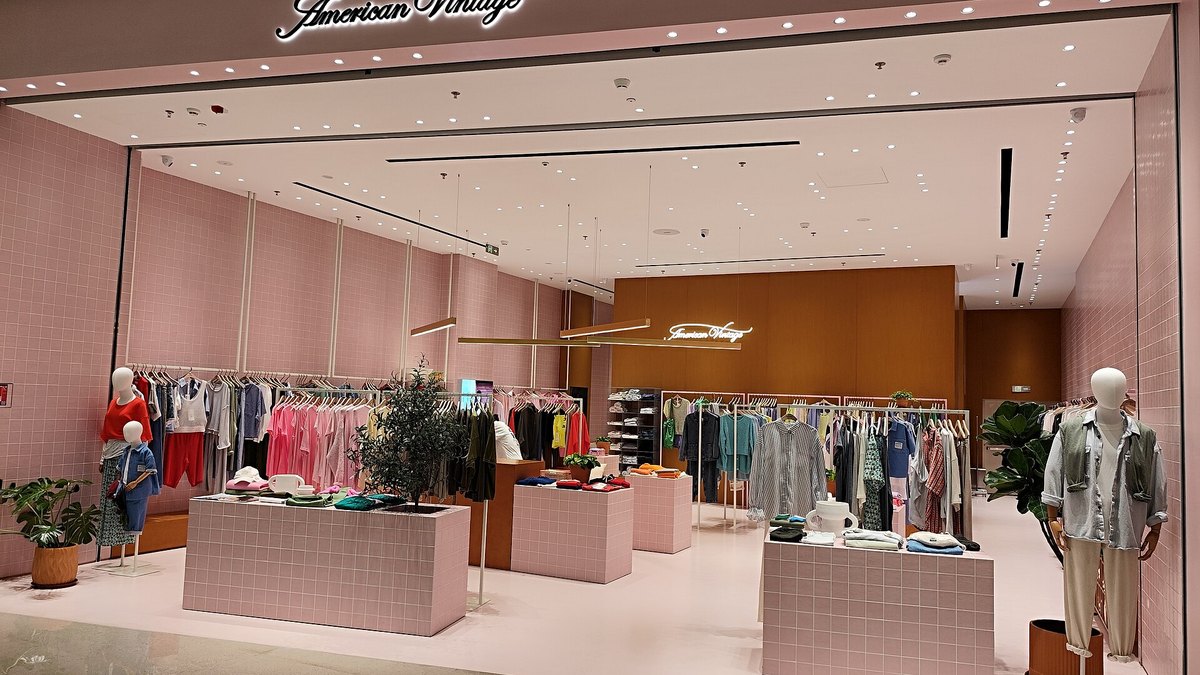
Shenzhen clothes shopping isn't just about big malls and online orders — there's actually a spot that industry insiders always hit: Nanshan Nanyou Clothing Wholesale Market. This district grew out of old export-processing factories and is now one of the country's leading hubs for mid-to-high-end women's fashion wholesale. People in the trade call it "Shenzhen's version of Seoul's Dongdaemun."
For Hongkongers, the biggest draw is: original designs, you can buy single pieces, and prices are roughly half of what you'd pay in a mall — plus Nanyou Station on Metro Line 9 gets you right there, no need to drive.
Basic Info
| Item | Details |
|---|---|
| Location | Nanyou Industrial Zone, Nanshan District, Shenzhen (around Nanhai Avenue) |
| Transport | Nanyou Station, Metro Line 9; Exit F1 is closest to Jinhui Building and Judao |
| Scale | Four main zones — First, Second and Third Industrial Zones plus Tianya Clearance Market — with over a dozen clothing buildings |
| Opening hours | Generally 10:30–19:00; some stalls don't open until after 11:00 (check on site) |
| Price range | Original dresses around ¥300–500; runway styles/clearance around ¥80–300; kids' clothing around ¥100–300 |
| Main clientele | Boutique buyers, online shop owners, walk-in customers (walk-ins can buy single pieces, at slightly higher prices) |
How Are the Four Zones Divided?
First-timers get lost easily — just remember what each zone is for and you won't go wrong:
- First Industrial Zone: The biggest and the best. A hub for local original designers — if you want to chase trends, you have to come here
- Second and Third Industrial Zones: Mainly runway styles and celebrity styles, noticeably cheaper than the First Zone, but you'll need to compare cuts carefully
- Tianan Industrial Zone: Concentrated factory shops, mostly "order and it's made" — even small quantities are negotiable
- Tianya Clearance Market: The end-of-season clearance zone, updated quickly each season, old styles get cleared out here at the lowest prices
Building by Building: What to Buy Where
Jinhui Building: The cream of original design
The first and second floors are almost entirely original designer shops that emerged after 2017 — new styles, small quantities per design, consistent quality. A dress runs about ¥300–500, not cheap, but the materials and tailoring are clearly a cut above street goods. There's a café on the third floor, a rare rest spot among the wholesale buildings — sit down when your legs give out.
Judao: Surprises in design
Located in the First Industrial Zone, less famous than Jinhui but with pleasant design surprises and mid-range prices — good for those after something a little more unique.
101 Fashion Designer Hall, Buildings 110/111
101 focuses on international designer originals with a high-end positioning, and there's even an open-air photo studio on the third floor; Buildings 110 and 111 are mostly light-luxury, high-end boutique shops where you can try things on — one of the few places in Nanyou where "trying on" is possible.
Shangdao Center
Nanyou's most high-end stock is concentrated here: wool fleece, fur, silk dresses, cashmere coats. There's a showroom on the fifth floor, mainly serving bulk buyers, but it's worth a look even just to browse.
Feima Fashion Center, Guihang Building
The representatives of the Second and Third Industrial Zones, focusing on celebrity and runway styles at prices clearly lower than the First Zone; the ground floor usually has the newest styles. The downside is lots of repeats and uneven quality — you'll need to feel the fabric and compare shop by shop.
Binfen Taili Clothing City
Most Nanyou buildings focus on women's wear, but men's and kids' clothing are concentrated here: the first and second floors have men's suits and casual wear, and the third floor and above is kids' clothing for all ages, priced around ¥100–300.
Tianan Building 8
A must-visit in the Tianan Industrial Zone — eight floors covering everything from budget to premium, focusing on knits, silk, trench coats, denim and T-shirts. The shopfronts aren't fancy, but there's plenty of stock at good prices, and there are often bargain street stalls too.
Bonus: Luohu Dongmen Baima Fashion City
If you're around the Luohu Checkpoint area, Dongmen Baima Fashion City is another clothing wholesale hub with lower prices than Nanyou — good for basics, T-shirts and jeans; for original designs you'll still need to go to Nanyou.
Prices and How to Play It
| Type | Approx. price (RMB) | Notes |
|---|---|---|
| Original design dresses (Jinhui) | ¥300–500 | Small quantities per design — buy it if you like it |
| Light luxury/designer-inspired (Buildings 110, 111) | ¥200–600 | Can try on; remember to feel the fabric |
| Runway and workwear styles (Feima, Guihang) | ¥80–300 | Cheap but uneven quality — compare |
| End-of-season stock (Tianya Clearance Market, Tianan Building 8) | ¥50–200 | Best value; styles are luck of the draw |
| Kids' clothing (Binfen Taili) | ¥100–300 | Concentrated on the third floor and above |
Walk-in single-piece purchases usually cost 10–20% more than wholesale, but not outrageously so. To go cheaper you'll need to "mix-batch" — buying several different styles from the same shop; generally 3 to 5 pieces qualifies for wholesale pricing. There's little room for haggling; buying a few extra pieces is actually the most effective way to save.
After You're Done: Food, Rest and Returns
Nanyou itself is an industrial area with few eateries, and stalls generally close one by one before 19:00. If you're flagging in the afternoon, sit down at the café on the third floor of Jinhui Building first; if you don't want to eat in the wholesale district, head over to Coastal City or Shenzhen Bay MixC — more choices, more comfortable, about 10 to 15 minutes by car.
On returns, brace yourself: most wholesale markets are "no exchanges once you leave," or allow style swaps but no refunds. Before buying, always inspect the stitching, zips, stains and seams in person. Keep your receipt and add the shop assistant on WeChat — if you find a problem back in Hong Kong, you'll still have someone to talk to. For pricier items (cashmere coats, silk), be sure to ask about washing instructions.
FAQ
1. Can walk-in customers buy single pieces at the wholesale market?
Yes. Most Nanyou stalls serve walk-ins, just not at the lowest wholesale price. To save time, head straight to Jinhui Building and Judao in the First Industrial Zone — they're the friendliest to walk-ins, and you can even try things on.
2. When's the best time to go?
Weekdays (Monday to Friday) are best — fewer people, and staff have time to help; weekend afternoons are the most crowded. Also, March to April and September to October are seasonal changeovers with the fullest range of new styles; January and July are clearance periods with the lowest prices on end-of-season stock.
3. What should I watch out for?
The biggest trap is claims like "original stock" or "surplus from OEM production" — Nanyou does have factory shops, but most claims of big-brand original stock are actually replicas. Before buying, feel the material, check the stitching, and look at the zips and labels — don't just take the shop assistant's word for it.
4. What else is worth visiting near Nanyou?
Nanyou isn't far from Coastal City and Shenzhen Bay MixC — after shopping you can stroll by the waterfront and grab a meal; a bit further out you can head toward Shekou Sea World for some sea views.
Practical Tips
- Bring a foldable suitcase or a big eco-bag — by the third building you'll regret not having one.
- Wear shoes and clothes that are easy to take on and off; some shops have fitting rooms but not many.
- Most stalls accept electronic payment, but still bring a little cash in case a few shops don't take QR codes.
- Before you go, snap photos of prices for styles you like on your phone for easy comparison — the same style can differ by ¥100 between buildings.
- Avoid the lunch rush from 12:00–14:00, when many stalls pull down their shutters to eat or leave just one person minding the shop.
💬 Comments
Loading…