From late September, hiking in Shenzhen is at its best
If you're bored of hiking in Hong Kong, Shenzhen actually has far more mountains than most people imagine, and they're beautiful too: sea-of-clouds peaks over 900 metres, country trails stretching over ten kilometres, and urban green oases you can summit within half an hour from the city centre. Autumn (October to December) is Shenzhen's most comfortable hiking season, with low humidity and good visibility — from the summit you can see Shenzhen Bay and Hong Kong's mountain ranges at the same time.
This guide lists 5 routes from hardest to easiest, all official or government-named parks/country parks, so you can pick according to your fitness. Before you hike, remember to search for the trailhead on Amap for the exact location — don't just rely on "it's roughly around there".
1. Wutong Mountain National Forest Park (Luohu/Yantian) — Shenzhen's highest peak
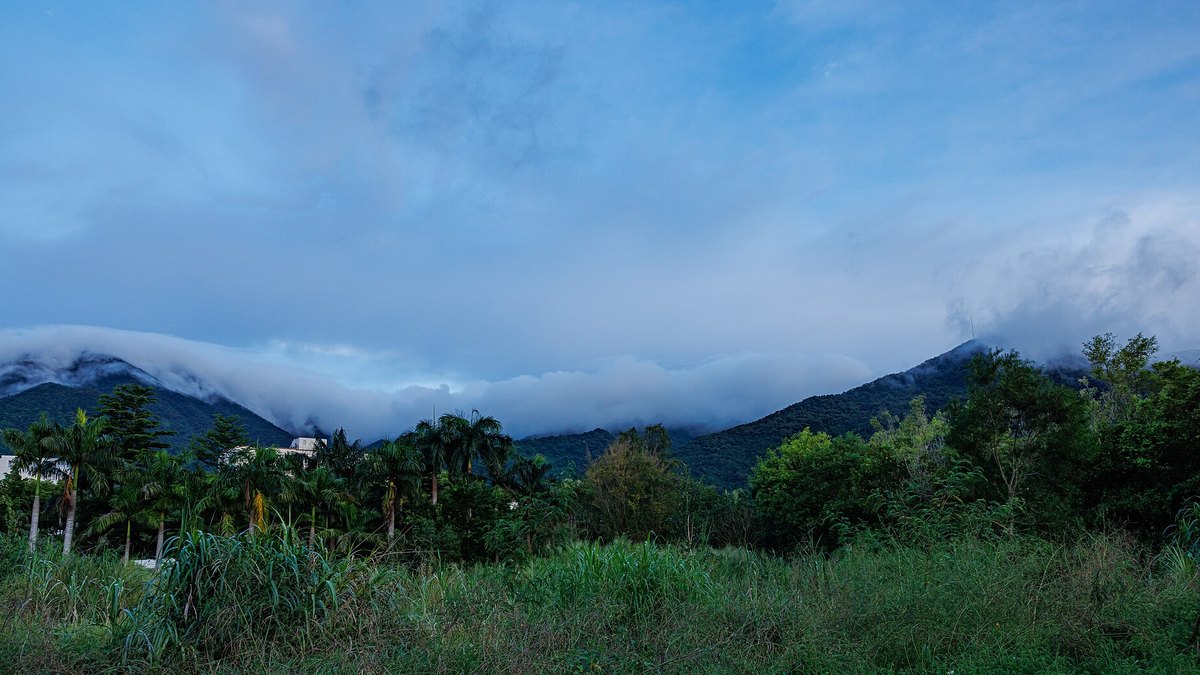
Wutong Mountain is Shenzhen's highest peak, with the main summit over 900 metres. It's often shrouded in the "Wutong mist and clouds" scenery, making it a holy site for local hikers. There are many route options, such as Taishan Stream from the Luohu side and Dengyun Trail from the Yantian side, with difficulty ranging from moderate to extremely high. After summiting, you can see the whole of Shenzhen's cityscape, and on a clear day even the sea views of Dapeng Bay.
- District: Border of Luohu District/Yantian District
- Address: 2076 Luosha Road, Liantang Street, Luohu District, Shenzhen (Wutong Mountain National Forest Park)
- Transport: Take Shenzhen Metro Line 2/Line 8 to "Wutong Mountain South Station", then walk towards the trailhead or transfer to a taxi; if crossing from Luohu Port, take Line 2 directly. Line 8 and Line 2 run through-services, so you can also board around Liantang Port.
- Difficulty: High. Allow a full day, bring plenty of water and supplies.
2. Meishajian (Yantian) — Shenzhen's third-highest peak, mountains meeting the sea
Meishajian is about 753 metres above sea level, Shenzhen's third-highest peak. Its shape resembles a sharp cone rising from the surrounding mountains, hence the name. The route is mainly stone steps — not technically difficult, but the full round trip takes about five hours, demanding high stamina. Midway you can see the azure Sanzhoutian Reservoir; lake water against green mountains is a rare pristine sight in Shenzhen. There are no supply points along this route, so bring enough food and water.
- District: Yantian District
- Trailhead: Near Sanzhoutian Village, Yantian Street, Yantian District, Shenzhen
- Transport: Take Shenzhen Metro Line 8 to "Dameisha Station", then transfer to a taxi towards Sanzhoutian; Line 8 runs directly from Luohu/Liantang all the way to Yantian, no transfers needed.
- Difficulty: Medium-high. About 5 hours round trip, suitable for advanced hikers.
3. Maluanshan Country Park (Pingshan) — a beginner route with waterfalls
Maluanshan is one of Shenzhen's rare "low difficulty, high experience" outing spots. Its core draw is the tiered Biling waterfall group and Meiting waterfall, where water cascades down the rocks, giving a sense of wild, untouched nature midway. The route from the northwest gate is flat, taking only about two hours round trip, with shade overhead and high negative ion levels — afterwards you can even head to Shenzhen's eastern beaches.
- District: Pingshan District
- Address: Pingma Line Highway, Maluan Community, Maluan Street, Pingshan District, Shenzhen (Maluanshan Country Park)
- Transport: Take Shenzhen Metro Line 14 to "Shatian Station" or Line 16 to "Pingshanwei Station", then transfer to a taxi to the northwest gate; Line 14 can be boarded directly from Futian city centre, about 40 minutes.
- Difficulty: Low. Suitable for families and hiking beginners.
4. Lianhuashan Park (Futian) — summit in an hour for CBD views
Lianhuashan Park is in Futian city centre, the most convenient route of all: about 2.9 kilometres total, summit in an hour. The summit plaza has a bronze statue of Deng Xiaoping, an important Shenzhen landmark and one of the city's highest outdoor plazas, offering a full panorama of the Civic Center and Futian CBD's skyscrapers. For night views, heading up after sunset is the most beautiful.
- District: Futian District
- Address: 6030 Hongli Road, Futian District, Shenzhen (South Gate)
- Transport: Take Shenzhen Metro Line 3/Line 4 to "Children's Palace Station", a few minutes' walk to the South Gate area; from Futian Port, take Line 4 directly — very convenient. If you want to visit the book city on the way, Shenzhen Book City Central City is right next to Children's Palace Station.
- Difficulty: Extremely low. Leisurely stroll level, suitable for the whole family.
5. Tanglangshan Country Park (Nanshan/Futian) — a 13.9 km endurance route
Tanglangshan hugs Nanshan District, a green barrier on Shenzhen's west side, nicknamed the "urban oasis". This route is known for its long-distance country trail: about 13.9 kilometres total, taking around five hours, a medium-to-long endurance hike. Hikers can start from the Longzhu Gate trailhead and follow the country trail towards Meilin Reservoir; from the summit you can overlook Shenzhen Bay, Futian and the Nanshan tech park — a rare route in the city for training fitness.
- District: Nanshan District/Futian District
- Trailhead: West of Longzhu Avenue, Nanshan District, Shenzhen (Longzhu Gate trailhead)
- Transport: Take Shenzhen Metro Line 7 to "Zhuguang Station", then transfer to a taxi for about 10 minutes to the Longzhu Gate trailhead; if crossing from Shenzhen Bay Port, you can enter Nanshan District first and then transfer.
- Difficulty: Medium. Suitable for those with hiking habits.
How should Hongkongers actually plan a trip north?
Suggestions for the three main ports:
- From Luohu Port: Wutong Mountain is the most direct — cross into Shenzhen around Luohu Station, transfer to Line 2 to Wutong Mountain South Station. For something easier, Lianhuashan Park is also reachable via Line 3 to Children's Palace Station.
- From Futian Port: Line 4 goes straight to Children's Palace Station, Lianhuashan Park done in an hour; for Tanglangshan, transfer towards Nanshan.
- From Shenzhen Bay Port: Nanshan District is closest, so Tanglangshan and the coastal routes around Shenzhen Bay are the most convenient.
Shenzhen's weather is still hot in September, turning cooler from October, with November the most comfortable month. Don't hike in summer or after heavy rain — the soil is loose and stone steps slippery, and many Shenzhen trails have no railings.
Fees, opening hours and gear rental
The thing Hongkongers care about most: all five routes above are free to enter, no tickets, no admission charges. Shenzhen's forest parks and country parks are municipal facilities with no entry fees; only some car parks charge per entry or per hour. As for opening hours, city parks (such as Lianhuashan Park) generally open around 6am and you can still enter in the evening; country parks are mainly daytime, so it's safer to descend before dark.
On gear, Shenzhen doesn't have Hong Kong's convenient trail rental services, so bring your own trekking poles, knee supports and the like. If you want to train fitness, Tanglangshan and Wutong Mountain both have local hiking groups running regular outings, findable on Xiaohongshu or outdoor forums; if you don't want to join a group, use the "Two Steps Outdoor Assistant" app to follow offline tracks.
Hiking tips (Hong Kong hiker edition)
- Download the "Two Steps Outdoor Assistant" app and pre-download offline route tracks. Shenzhen country trails have many forks, and phone signal can drop at any time.
- Bring plenty of water and electrolytes. Shenzhen trails have fewer supply points than Hong Kong; Wutong Mountain and Tanglangshan have almost no shops along the way.
- Wear hiking shoes with good grip. Many Shenzhen trails are stone steps plus dirt paths, hard on the knees on descents.
- Prepare for electronic payment. Taxis to trailheads require QR code payment; just activate either WeChat Pay or Alipay.
- Take your rubbish with you. Shenzhen country parks generally have no bins, so bringing your own rubbish bag is the norm.
- Watch the last train times at the ports, so you don't miss the last crossing back to Hong Kong after hiking.
FAQ
Q1: For a first-time hike in Shenzhen as a beginner, which route should I pick?
Maluanshan Country Park or Lianhuashan Park. The former is a two-hour round trip to see waterfalls, the latter an hour to the summit for city views — neither needs professional gear.
Q2: How long does Wutong Mountain take?
Depends on the route, generally half a day to a full day. The main summit is over 900 metres, so don't treat it like a Hong Kong family trail.
Q3: Do I need any procedures to cross from Hong Kong to hike in Shenzhen?
A valid Home Return Permit is enough, no different from any other trip north. Bring an extra jacket — it's windy at the summit with a noticeable temperature difference.
Q4: Is there a charge for hiking in Shenzhen?
The forest parks and country parks mentioned above are all free to enter, no admission fee. Transport costs are your own.
Q5: Can I go after rain or a typhoon?
Not recommended. Shenzhen occasionally has heavy rain in autumn; after rain the dirt paths are muddy, stone steps slippery, and water levels in waterfall areas can surge.
Route information compiled from public information from Shenzhen's various parks and country parks and Hong Kong media reports; actual conditions and opening arrangements are subject to the latest official announcements.
💬 Comments
Loading…