
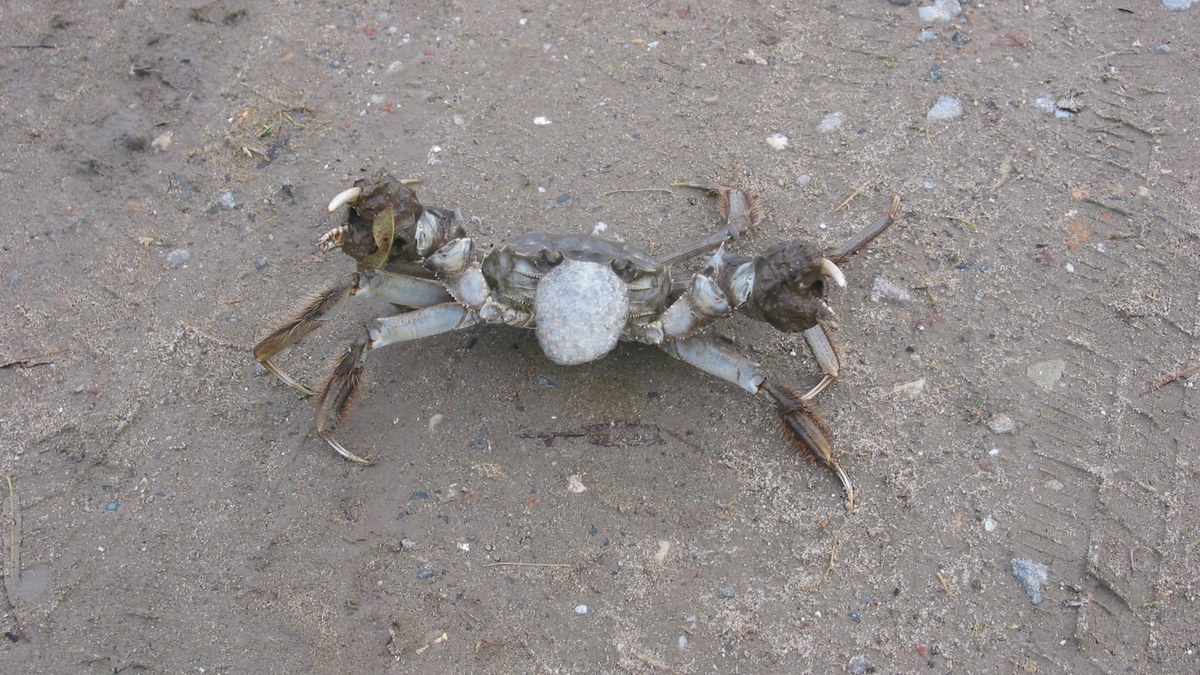
Autumn is the best season for seafood in Shenzhen. According to the Suzhou Yangcheng Lake Hairy Crab Industry Association, the 2026 Yangcheng Lake hairy crab season officially opens for fishing on 28 September, a few days later than the Mid-Autumn Festival on 25 September. Authentic lake crab won't make it onto the Mid-Autumn dinner table, but the golden period then runs all the way to November. Meanwhile, the South China Sea fishing moratorium, which ran from 1 May to 16 August, has ended, so supplies of sea fish, shrimp, crab and shellfish are back to normal and prices have come down.
The best-value way to eat seafood in Shenzhen has two steps: first buy live seafood at a wet market, then take it to a nearby restaurant for cooking-on-your-behalf. You pick the ingredients yourself and control the freshness, and the cooking fee is usually ¥20–30 per catty, a good bit cheaper than ordering straight off the menu. Below is practical market and restaurant information, all with districts, metro stations and Amap navigation.
1. Buying seafood: markets along three checkpoint routes
Shekou Market (Nanshan District, closest to Shenzhen Bay Checkpoint)
Shekou Market sits around Wanghai Road in Nanshan District, right by the fishing port, and has been renovated in recent years so the environment is much cleaner. Stalls mostly sell at wholesale prices, with a full range of mantis shrimp, flower crab, oysters and clams. Getting there: take Metro Line 2 to Dongjiaotou Station, Exit A, and walk about 350 metres. From Shenzhen Bay Checkpoint, Line 13 connecting to Line 2 takes about 30 minutes.
Price reference (2026): standard mantis shrimp about ¥40–60 per 500g, large premium ones ¥120–180 per 500g, small abalone ¥5–25 each, seasonal hairy crab about ¥18–35 each. Compared with Hong Kong seafood of the same grade, Shenzhen is generally 40–50% cheaper.
Dongmen Seafood Market (Luohu District, closest to Luohu Checkpoint)
Located at 2002 Dongmen Middle Road, Luohu District, it is part of the Dongmen Old Street commercial area — plenty of choice but extremely busy. From Luohu Checkpoint, it's a walk or one metro stop away. The seafood stalls have no English menus, so use WeChat translation or point at what you want and negotiate the price.
Yantian Seafood Street (Yantian District)
A street along the coast lined with seafood restaurants and cooking-service shops — buy and cook on the spot, the most convenient option. Metro Line 8 now reaches Yantian, so it's a short taxi ride or walk from the station, no more relying on bus transfers.
Xiaomeisha Coastal Area (Yantian District, an upscale alternative to buy-and-eat)
After renovation, Xiaomeisha has become a resort area with the MGM hotel and a coastal commercial zone, focused on upscale seafood dining. If you don't want to buy and cook it yourself, or battle the crowds at a wet market, you can enjoy a sea-view meal here. It's about a 15-minute drive from Yantian Seafood Street.
2. How does the cook-on-your-behalf service work?
The steps are: ① Pick your seafood at the market (ask the stallholder to weigh it and note the weight) → ② Take it to a restaurant displaying a "processing" sign → ③ Explain clearly how you want it cooked (steaming is cheapest; salt-and-pepper or Typhoon Shelter style costs more). The cooking fee is about ¥20–30 per catty, and most restaurants also charge a tea cover fee and wet-wipe fee of about ¥2–10 per person. To save money, check Meituan for two- or four-person set meals — many include the cooking fee and tea cover.
3. Rather not buy it yourself? Four real restaurants to eat at directly
No. 79 Fishing Boat Seafood Restaurant (Nanshan Sea World branch / Futian branch)
A model that brings the seafood market into the restaurant: there's a fresh seafood area inside where you choose your own, and it's cooked to order after weighing. The Sea World branch is on the 3rd floor of Zone C, Sea World, 1128 Wanghai Road, Nanshan District, a few minutes' walk from Sea World Station on Metro Line 2; there's also a Futian branch. Per person about ¥100–200. Opening hours about 11:00–22:00; check the individual branch's official listing for the exact times.
Lai Pangzi Meat Crab Pot (Futian Link CentralWalk)
Specialises in meat crab pot — crab meat with chicken feet and rice cakes in a rich sauce that goes great with rice. About ¥41–100 per person, a good-value choice about 20 minutes from Futian Checkpoint, directly reachable via Convention & Exhibition Center Station on Metro Lines 1 and 4.
Xie San Bao (Futian Gangxia / Nanshan Houhai)
A Shenzhen specialist in crab roe dishes, famous for its hand-picked crab roe golden tossed noodles — one bowl uses the roe of about 10 crabs. The Futian branch is in Gangxia Huangting Center (350 Fuhua Road), the Nanshan branch is in the Houhai area; the two-person set meal on Dianping is about ¥208, the four-person set about ¥396.
Xie Xing Ji crab roe noodles (Poly Cultural Plaza, Coastal City)
Crab roe golden tossed noodles with roe in every bite; drunken crab in huadiao wine and crab roe xiaolongbao are also signatures. Address: Shop A2-03, F2 pedestrian street, Zone A, Poly Cultural Plaza, 4 Wenxin 6th Road, Houhai, Nanshan; about 70 m from Exit D1 of Houhai Station (Lines 2/11); roughly 10:30-22:30; about ¥82 per person.
4. Shenzhen–Hong Kong price and seasonal tips
- Ninth month female, tenth month male: in the ninth lunar month eat female crabs (rich roe), in the tenth eat male crabs (firm meat), so October for females and November for males is ideal.
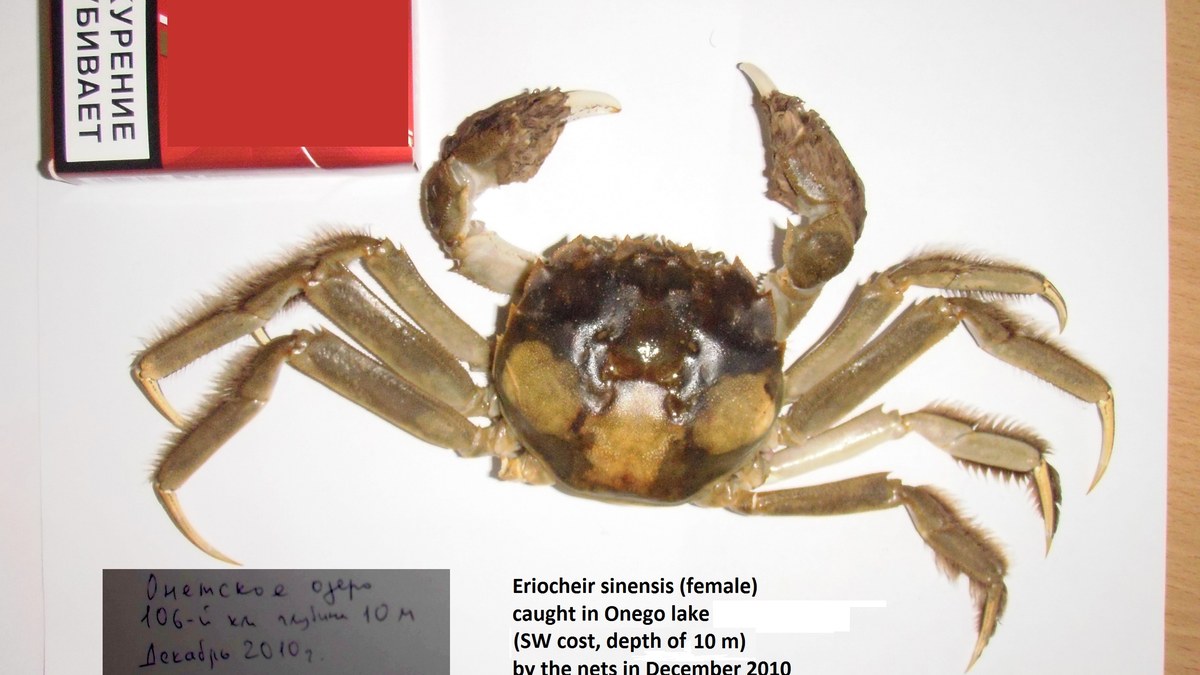
- How to pick a crab: blue-green back, white belly, golden claws and yellow hair; press the shell lightly and it should feel firm, and flip it over — the apron on the belly should move with strength.
- Fishing moratorium: the South China Sea moratorium runs from 1 May to 16 August each year, when wild seafood is scarce and pricey; September to November is the best window.
- Cooking it yourself: most residential units in Shenzhen use piped natural gas, but hotel rooms don't allow cooking; if you want to take it home to steam, buy chilled seafood or ask the stallholder to clean the innards for you, and pack it in a cooler bag with ice packs before crossing the border.
- Tea cover and wet-wipe fees: almost all seafood restaurants charge these, about ¥2–10 per person, so factor them into your budget.
- Taking it back to Hong Kong: live crabs for personal use generally don't fall under the Imported Game, Meat, Poultry and Eggs Regulations, and a reasonable quantity for personal use is usually fine; but taking them back to Hong Kong to sell is illegal — selling hairy crab requires a relevant licence from the Food and Environmental Hygiene Department.
5. Frequently asked questions
Where can I get seafood cooked after buying it?
Restaurants near the market usually display a "processing" sign and charge about ¥20–30 per catty; agree on the cooking method and price before ordering to avoid disputes at the bill. Some restaurants don't accept outside seafood, so ask before going in.
Is Shenzhen seafood really cheaper than Hong Kong?
For the same species and grade, Shenzhen is generally 40–50% cheaper, mainly due to lower rent and labour costs; but watch out for tea cover and cooking fees — "cheap seafood, expensive extras" is common, so work out the whole bill before paying.
Which of the three checkpoints is most convenient?
Shenzhen Bay Checkpoint to Shekou Market is fastest, Luohu Checkpoint to Dongmen Seafood Market is closest, and Futian Checkpoint is handiest for Link CentralWalk and the crab restaurants around Gangxia; if you want to focus on a seafood street, head to Yantian, reachable directly on Line 8.
Can I bring crabs across the border myself?
A reasonable quantity for personal use is generally fine, but pack it well so it doesn't leak, and check the latest rules from Hong Kong Customs and the Food and Environmental Hygiene Department; taking them across to resell is illegal. For details, see our article "Taking Hairy Crab Back to Hong Kong 2026".
Sources
6. Market addresses + actual opening hours (government / public market information)
The worst thing when buying seafood is going to the wrong place. Here is public information on the main markets — just copy it into Amap navigation:
- Shekou Market (Shekou Seafood Market): 49 Yucun Road, Nanshan District, service hours about 05:30–19:30, contact number 0755-26852319; next to Shekou Fishing Port, where you can even find wild fish such as golden drum and green wrasse. About 250 metres' walk from Exit A of Dongjiaotou Station on Metro Line 2. About 15–20 minutes by taxi from Shenzhen Bay Checkpoint.
- Buji Seafood Wholesale Market: around Buji Road, Luohu District, a long-established Shenzhen seafood "price trough" — the golden buying window is 3am to before noon, and nearby restaurant owners come here to stock up; about 10 minutes' walk from Buji Station on Metro Line 3. About 25 minutes from Luohu Checkpoint via Line 1 then Line 3.
- Yantian Seafood Street (Yantian Seafood Food Street): Yantian District, right at Yantianxu Station on Metro Line 8; restaurants along the street have fish tanks out front and cook on the spot, and one of them, "Dongfang Meishi Seafood City", charges a flat ¥35 per catty for cooking your own ingredients with clearly marked prices — the best-known one among Hong Kong visitors.
- Luofang Seafood Wholesale Market: around Luofang, Luohu District, near Liantang / Wenjindu, handiest for those living in Hong Kong Island East and the North District.
- Fuhai Fisherman's Wharf Seafood Market: Fuhai Street, Bao'an District, known for butter crab, best value in autumn crab season; about 30 minutes by car from Shenzhen Bay Checkpoint.
- Nan'ao Seafood Street: Nan'ao, Dapeng New District, the furthest but the freshest, ideal combined with a day trip to Dapeng Peninsula and a taste of Nan'ao sea urchin rice dumplings.
A reminder: the South China Sea summer fishing moratorium runs from 1 May to 16 August each year, during which sea shrimp rises from ¥40–50 per catty to ¥60–80; after the season opens, the first batch of catch is usually 10–20% more expensive, then falls back by about 20% once supply stabilises. When buying crab, remember to ask clearly "how much per catty" and watch the scale — most market entrances have a fair scale where you can re-weigh. All three checkpoints have markets to choose from: Luohu Checkpoint for Buji / Luofang, Futian Checkpoint via Line 3 to Buji, Shenzhen Bay Checkpoint to Shekou.
The prices and opening information in this article are compiled from public Shenzhen market information, Dianping, the OpenRice Greater Bay Area rankings and Hong Kong media reports (September 2026); the Yangcheng Lake opening date is cited from the Suzhou Yangcheng Lake Hairy Crab Industry Association. Market prices fluctuate with the seasons, so please refer to on-site and official restaurant listings before you travel.
💬 Comments
Loading…